Problems with Mould, Damp and Condensation!
Have you had problems with Mould, Damp and Condensation?
With the turn in the weather, and the frequent changes from warm to cold, we have seen an increase of clients asking questions about damp, condensation and mould.
Our Project Managers are often tasked with identifying the problem and finding a solution.
So, here is a bit of a guide and explanation of these conditions, and ways to tackle them.
Damp
In the context of buildings, “damp” usually refers to the presence of excess moisture in walls, ceilings, or floors, which can lead to problems like mould growth and structural damage. Dampness in buildings is typically classified into categories like rising damp (moisture from the ground moving upwards through walls), penetrating damp (water entering the building from the outside), and condensation (moisture resulting from temperature and humidity differences).
Treating Damp
Treating damp in buildings is essential to prevent structural damage, maintain a healthy living environment, and preserve the value of the property.
Dampness in buildings can be caused by various factors, such as water leakage, condensation, rising damp, or other moisture-related issues. The approach to treatment will depend on the specific cause of dampness. Here are some general steps to treat and prevent damp in buildings:
- Identify the Source of Dampness:
- Before you can effectively treat damp, you need to identify the source of the problem. This may require a professional assessment, especially if the cause is not obvious.
- Repair Leaks:
- If the dampness is caused by roof leaks, plumbing issues, or damaged gutters and downspouts, repair these problems promptly.
- Improve Ventilation:
- If condensation is the issue, improving ventilation can help. Install exhaust fans in kitchens and bathrooms, open windows, and consider a dehumidifier in particularly humid areas.
- Insulate and Seal:
- Insulate walls, floors, and roofs to prevent cold surfaces that can lead to condensation. Seal any gaps and cracks in doors, windows, and walls.
- Install Damp-Proofing Measures:
- Depending on the type of damp, you may need to install damp-proof courses or membranes. For example, if you have rising damp, a damp-proof course (DPC) may be necessary.
- Remove Damaged Materials:
- In cases of severe damp and mould growth, it may be necessary to remove and replace damaged building materials, such as drywall, insulation, or wood that cannot be salvaged.
- Use Damp-Resistant Materials:
- When repairing or renovating, consider using damp-resistant or waterproof materials in areas prone to moisture, such as bathrooms and kitchens.
- Regular Maintenance:
- Ensure that your property is well-maintained, including regular inspections of the roof, gutters, and plumbing to catch and address issues early.
- Landscaping:
- Proper landscaping can help divert water away from your building. Ensure that the ground slopes away from the foundation, and use drainage solutions like French drains to redirect water.
- Seek Professional Help:
- For serious or persistent damp issues, it’s advisable to consult with a professional, such as a structural engineer, building contractor, or a specialist in damp-proofing, to provide an appropriate solution.
Remember.
The best approach to treating damp in buildings may vary depending on the specific circumstances and the type of damp issue you are facing. It’s important to address damp problems promptly to prevent further damage and to maintain a healthy living environment.
Condensation
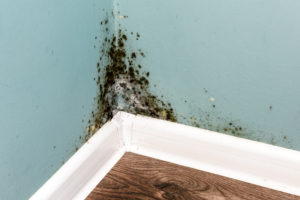
Condensation is the process by which water vapor in the air turns into liquid water when it comes into contact with a surface that is cooler than the dew point temperature of the surrounding air. It occurs when warm, moist air cools down and cannot hold as much moisture, causing the excess water vapor to condense into tiny water droplets. Condensation is a common occurrence in various situations, such as on windows, mirrors, walls, and ceilings.
Combat Condensation
To tackle condensation, especially in the context of preventing it from causing issues in your home, consider the following points:
- Increase Ventilation:
- Proper ventilation is essential to reduce humidity levels in enclosed spaces. Use fans in kitchens and bathrooms to expel moist air outside.
- Open windows and doors regularly to allow fresh air circulation.
- Use a Dehumidifier:
- Dehumidifiers can help remove excess moisture from the air, reducing the chances of condensation. They are particularly useful in humid climates or during rainy weather.
- Maintain a Consistent Temperature:
- Keeping a stable indoor temperature can help prevent drastic fluctuations that may lead to condensation. Use heating and cooling systems as needed.
- Insulate and Seal:
- Ensure that your home or space is well-insulated, with proper seals around doors and windows to prevent warm indoor air from coming into contact with cold surfaces.
- Insulate walls and roofs to maintain more consistent indoor temperatures.
- Use Thermal Curtains or Window Film:
- Installing thermal curtains or window films can help insulate windows and reduce temperature differences between the glass and the room.
- Consider Humidity Control:
- Maintain indoor humidity levels between 30-50% to minimise condensation. Use a hygrometer to measure humidity and humidifiers or air conditioners to adjust it as needed.
- Monitor excess Moisture Sources:
- Identify and rectify any sources of excess moisture in your environment, such as leaking pipes, roof issues, or poorly vented appliances.
- Use Moisture Absorbing products:
- Items like moisture-absorbing packets or products can help reduce humidity in smaller areas, such as closets or cupboards.
- Be aware of the impact of chores:
- Activities like cooking, showering, and drying clothes indoors can increase humidity. Ensure proper ventilation during these activities.
- Regularly Check and Maintain:
- Regularly inspect your home or space for signs of condensation, mould, or moisture damage. Address any issues promptly to prevent further damage.
By following these steps, you can reduce and tackle condensation issues in your home or other spaces, helping to maintain a comfortable and healthy environment while preventing potential damage and mould growth.
Mould
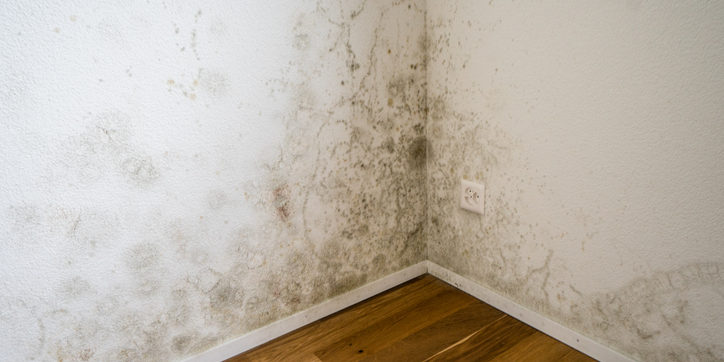
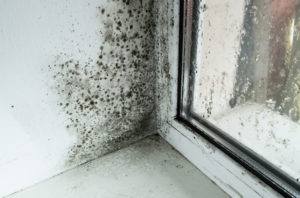
Mould refers to a type of fungus that grows in the form of multicellular filaments called hyphae. It is a common occurrence in the natural environment, and its purpose is to break down organic matter. While mould plays an essential role in the ecosystem, it can become a problem when it grows indoors. Especially in buildings and homes. Mould growth indoors is typically a result of excess moisture or humidity.
Here are the steps to treat and prevent mould growth:
- Identify and Eliminate the Source of Moisture: Moud requires moisture to grow. Identify and address any water leaks, condensation issues, or areas with high humidity. This may involve fixing roof leaks, repairing plumbing, improving ventilation, and using dehumidifiers.
- Isolate the Affected Area: If you have a large mould problem, it may be necessary to isolate the affected area to prevent the spread of spores to other parts of your home. Use plastic sheeting to seal off the area.
- Personal Protection: When dealing with mould, wear protective gear, including gloves, a mask, and eye protection to avoid inhaling or touching mould spores.
- Remove Mould: Depending on the extent of the infestation, you may need to clean or remove the affected materials. Here are some methods for dealing with mould:
Cleaning: For small, non-porous surfaces like tiles, you can clean the mould with a mixture of water and detergent. There are also commercial mould cleaning products available.
Removal: For porous materials like drywall or insulation, you may need to remove and replace them. Mould can penetrate deeply into these materials, making it nearly impossible to completely remove.
Professional Remediation: In cases of extensive mould growth, it’s best to hire a professional mould remediation service. They have the expertise and equipment to safely and effectively remove mould.
- Proper Ventilation: Ensure good ventilation in your home to reduce humidity and promote air circulation. Use exhaust fans in bathrooms and kitchens, and open windows when weather permits.
Prevent Future Mould Growth
After dealing with a mould problem, take steps to prevent it from returning:
- Fix any ongoing moisture issues.
- Keep indoor humidity levels below 50% by using dehumidifiers or air conditioners.
- Regularly clean and maintain your HVAC system, including air ducts.
- Use mould-resistant products for construction and renovation, such as mould-resistant drywall.
- Clean and maintain the area regularly, especially in places prone to moisture, like the bathroom and basement.
Remember that mould can have adverse health effects, so it’s crucial to address it promptly and take necessary precautions during clean up. If you have concerns about extensive mould growth or potential health risks, consult with a professional mould remediation service or an environmental health specialist.
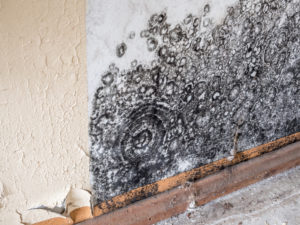
It is clear that problems with mould, damp and condensation are often symptomatic of one another, and the treatment and ways to overcome the problems are often the same.
CLPM
If you are planning to make improvements to your property and are interested in some independent expert advice then do get in touch. Call 01923 896550, email info@cl-m.com or complete a contact form.
We hope you have found our blog ‘Problems with Mould, Damp and Condensation’ useful.