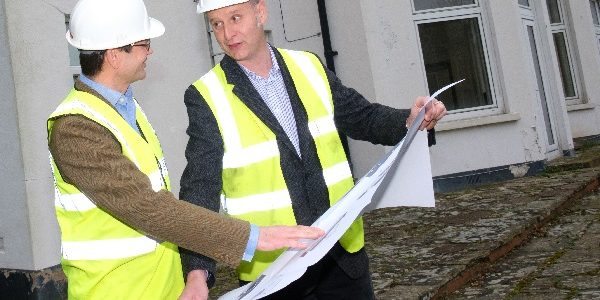
Learn about Construction Project Management with CLPM at the NSBRC.
If you are contemplating building your dream home, or planning to improve your existing home, why not attend one of the NSBRC Training Courses to build your knowledge and confidence?
The National Self Build and Renovation Centre have developed a suite of courses for a wide range of projects. Whether you are planning a Self Build project, a renovation or perhaps a small-scale extension, we have a course that can help you. Our courses are aimed at those who are new to the world of building. Especially those with relatively little knowledge or experience of the build process. The courses are led by industry experts with years of experience, and the presenters are happy to help answers your technical queries.
Course: Guide to Self Build
Before you build your home, build your knowledge.
The 3 day course is for those contemplating a self build project, and is a great place to start.
This course will cover 11 topics. It is an informal workshop which makes use of the superb practical exhibits available in the Centre. The content of the course is planned to arm attendees with a level of knowledge which guarantees their projects will go more smoothly.
The course broken into 3 days.
1 – Research and Planning Led by CLPM’s Charlie Laing
- Budgeting & Finance
- Finding & Evaluating Land
- Design & Specification
- Building Systems & Construction Methods
2 – Planning, Quantity Surveying and Contracts
- Planning Permission & Permitted Development
- Building Regulations
- Trades, Contracts & Tendering
- Project Management & Site Set Up
3 – Sustainability Led by CLPM’s Rob Bohm
- Eco Fundamentals
- Eco Design, Planning & Management
Course: Guide to Project Management
This course is essential for anyone considering their first self build, home improvement, loft conversion or renovation project. Covering everything from budgeting, insurance and site management through to health & safety, snagging and VAT reclaim.
Project Management Basics
- Sequencing your Build
- Project Management Options
- Build Routes
- Programme Management
Budgeting – Setting and Establishing a Budget
- Controlling Expenditure
- Insurances and Warranties
- VAT Reclaim
Trades and Materials
- Sourcing and Managing Trades
- Getting a Price
- Contract Options
- Sourcing Materials
- Quality Control
Site Preparation and Set up
- Site Management
- Avoiding the Pitfalls
- Health and Safety
- Completion
Here is more information on the role of a Project Manager
A project manager is responsible for planning, organising, and overseeing the execution of a project from start to finish. In this blog we explore ‘What does a Construction Project Manager do’?
Predominantly their role is to ensure that the project is completed within the defined scope, timeline, and budget while meeting the project’s objectives.
It is key that anyone considering taking on this role is aware of the elements involved, and is happy to make decisions.
We have identified 10 key responsibilities of a project manager.
-
Project Planning:
They collaborate with stakeholders to define project goals, objectives, and deliverables. They create a detailed project plan, outlining tasks, timelines, resource requirements, and dependencies.
-
Team Management:
Project managers can assemble and lead a project team, assigning tasks and responsibilities to team members. Providing guidance, support, and motivation to keep the team on track and ensure effective collaboration.
-
Scope Management:
They define and manage the project’s scope, ensuring that project requirements are clearly defined, documented, and understood by all stakeholders. They monitor changes and manage scope creep to avoid project delays or cost overruns.
-
Time Management:
Project managers create project schedules, set milestones, and monitor progress to ensure timely completion. They identify critical path activities and proactively manage potential schedule risks.
-
Cost Management:
They develop project budgets, estimate costs, and track expenses throughout the project lifecycle. Project managers monitor and control costs, making adjustments as necessary to stay within the approved budget.
-
Risk Management:
They identify potential risks and develop risk management strategies. Project managers assess risks, create contingency plans, and implement risk mitigation measures to minimize the impact of potential issues on the project’s success.
-
Communication and Stakeholder Management:
Project managers facilitate effective communication among project team members, stakeholders, and relevant parties. They provide regular updates, reports, and presentations to keep stakeholders informed about the project’s progress and address any concerns or issues.
-
Quality Control:
Project managers ensure that project deliverables meet the required quality standards. They establish quality control processes, conduct inspections, and implement corrective actions to address any quality issues.
-
Problem-solving:
They proactively identify and address project-related problems and challenges. Project managers make decisions, resolve conflicts, and find solutions to keep the project on track and overcome obstacles.
-
Project Closure:
Once the project is complete, project managers conduct a project review, evaluate the outcomes, and document lessons learned. They ensure a smooth project closure, including finalising contracts, archiving project documents, and transitioning deliverables to the appropriate stakeholders. This is typically when the Project Manager hands over the project back to the clients.
Using CLPM
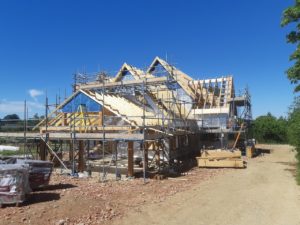
Overall, a project manager plays a crucial role in driving the successful completion of a project by effectively managing resources, risks, timelines, budgets, and stakeholder expectations.
Our highly qualified construction project management team can provide a wide range of pre-construction and onsite support services. Each one is designed to suit every project type and budget. We aim to help you build or improve your property in a smarter and more sustainable way.
Our experience and expertise will enable you to get a better result. Protect your financial interests and save you time and money along the way. This will result in a stress-free experience for you.
We hope you have found this blog useful. If you want any more information on how to.get the best builders’ quotes then we’d love to hear from you. Just drop us an email, complete a contact form or give us a call on 01923 896550.