Considerations for a Green Renovation
The process of a green renovation can be mind-blowing!
That’s why our Heating and Energy Consultant Rob Bohm has put together a list of 10 considerations for a green renovation project.
From the initial survey through to finishing touches, ensure your project will be the success you’ve dreamed of.
1. Survey
Always have a survey done before buying a property to renovate. A basic survey will only tell you what is immediately apparent. You need a full structural survey to confirm whether or not the building is sound. A trained eye from an expert will be able to tell if a bit of bad workmanship has been cleverly covered up.
It is important to know what materials the building is made of, and what the impact of each material is. Lime mortar requires special treatment as it is breathable. You must maintain this ‘breathe-ability’ when making alterations to prevent harming the building’s fabric. Certain timber types can disguise many serious issues. Many experts will say that Elm, for instance can literally be ‘eaten’ from the inside, leaving the outer husk looking completely intact. Lead pipes can be potentially toxic, or you may find that the house contains asbestos insulation.
Consider a specific survey on drains, and an inspection of the heating system by a professional heating engineer. These are just some examples of the issues that could have a huge effect on the cost of your project.

2. Objectives
You need to work out what the objectives for your green renovation project are. You can do this by defining what is important for you and for the building.
- Repair: The object is to replace or fix broken and damaged elements to make them functional.
- Conserve: The building is of historic value, so decide what is important and preserve it.
- Restore: This is where you bring the building back to its former glory. If the important aspect of the building is an architectural feature, for example, you need to reinstate that element.
- Renovate: When a building is updated to modern standards. Most of the elements can be replaced with more modern materials and finishes. Some historical features can be maintained, and contemporary aspects added.
3. Budget
Set a realistic budget. Get more than one quote from contractors and perhaps seek independent advice – salespeople primarily want to sell their own products. With green eco technologies becoming topical and readily available, there is a lot to consider.
Be aware that the majority of the work needed won’t be apparent at the outset. It is only once you have stripped back the fabric that you will expose the depth of the job that you face. You may find that you require specialist finishes or skilled craftsmen. It’s only when you reach this stage that you will be able to set a finite budget.

4. Insulation
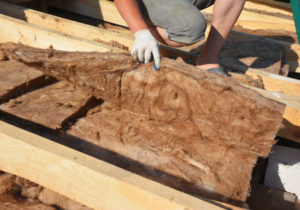
Introducing more insulation will reduce your heat loss and reduce the amount of energy used to heat your home.
However, before specifying insulation you must first look at your selection of heating system. It is important to choose an insulation product that’s appropriate for both the system and the breathe-ability of the structure of your home.
Also be aware that insulation takes up space. Some of the more efficient insulation products could require an air gap around them, which defeats the object of having paid a premium to save space.
If the wrong type of insulation is used, you can end up creating a dew point in the fabric of the wall. Interstitial condensation could develop, which in turn could result in mould growth. Do your homework and consult specialists before installing anything that could actually end up doing more damage than good.
5. Heating Systems
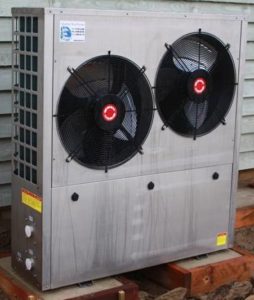
Boilers are designed to provide a lot of high-temperature heat in a short space of time. Whereas renewable heat sources, such as heat pumps, provide low temperature heat over a long period of time. It is this conflict of principle that makes it very difficult to retrofit renewables into existing buildings.
Introducing low-grade heat means that you need to replace almost the entire heating circuit. Your radiators will need to be replaced by underfloor heating specially design for low-grade heat, or with fan-convector radiators. Low-grade heat will also require a good amount of insulation and a reputable heat loss calculation.
The financial viability of renewables is going to be the biggest hurdle and this aspect needs to be carefully considered from the outset. Your payback is really going to be determined by the fuel that you are displacing and the quality of the installation and design. It is key that you take advice from an independent consultant who will advise you if making changes is viable.
6. Recycle
Further considerations for a green renovation are that one person’s rubbish is another’s treasure. If you can, re-use any materials that are already on site. However, if you can’t use them, then advertise on a recycling website rather than throwing them in a (rather expensive) skip. Should your project be over a certain size, you will need a site waste management policy in place. By thinking carefully about recycling and making sure you don’t order too many materials, you can save money, time and energy.
7. DIY or Get Someone In
Do not underestimate the importance of a good finish. Tiling, joinery and plastering should be done by professionals. A bad finish will lower the standard of the whole project. Before tackling a job, find out if there are any legal restrictions to prevent you from working on it. If you wanted to, you could carry out some aspects of electrical wiring yourself under the guidance of a qualified, competent professional. However, you must not carry out any gas-related work, not even on the pipework, unless you are Gas Safe registered.
8. Windows, Doors and Airtightness
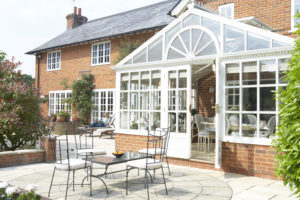
Natural daylight is rightly considered an important part of the design of your home. But windows are also the most inefficient element. Apart from insulation, airtightness is the biggest contributor to heat loss from the home.
Remember, if air is allowed to pass through your building, it will take the heat with it. You therefore need to take a controlled approach, ensuring that both windows and doors are good quality, airtight units.
Double glazing now has become the industry minimum standard for most buildings. This type of glass is often coated with a reflective low emissivity (low-e) coating that helps to keep heat in, or out. The cavity between the sheets of glass is often filled with a gas, argon being the most common, to further reduce heat loss.
Triple glazing performs better than double glazing, especially acoustically, but weigh up the cost/benefit ratio within the context of your project and your budget. Listed, heritage or conservation properties are sometimes restricted in the type of replacement windows allowed so do make sure of the rules before going ahead and replacing the windows.
9. Project Management
Fail to plan and you plan to fail. If you are considering a green renovation project, decide which aspects of the job you can do yourself. But do not underestimate the scope of works. A renovation can very often involve quite a few specialist tradesmen. This could make it unsuitable to use a main contractor and you will need to consider a trade-by-trade approach.
You will need to have an understanding of the budget and stages of the build and what timings are for each of those stages. You certainly do not want to incur expense by sending trades home and rescheduling them. And disturbing finished work because you forgot an aspect or two is disruptive and expensive.
If in any doubt seek professional help. Lots of project managers will work around your skills and availability, and that could certainly benefit as well as ensuring the efficiency of the project.

10. Finishes
Choose your finishes carefully.
Don’t forget that certain natural products could have travelled thousands of miles to reach your project. Or perhaps they have been subjected to a great deal of energy intensive work to get them into the form that you require.
You need to determine your own eco-rules. Are you aiming for great performance, low embodied energy, and avoidance of volatile organic compounds (VOC) or do you want to stick to natural products with a traceable chain of custody. What is important to you in the project and how do you lower your impact through these rules? It is the end results that really matters.
How can CLPM help you?
With over 75 years’ experience in the sustainability and construction industry between them, the CLPM team are experts in all heating systems – including the latest renewable technologies. We can help you with considerations for a green renovation.
Our aim is to help you organise your heating and energy systems in a smarter and more sustainable way.
Ready to find out more? We’d love to hear from you. 01923 896550 or info@cl-pm.com