All about SAP Calculations
SAP calculations, or Standard Assessment Procedure calculations, are a method used to assess and compare the energy performance of residential buildings in the UK. These calculations are critical for determining a building’s energy efficiency, estimating its energy consumption, and predicting carbon dioxide emissions.
Here’s an in-depth look at SAP calculations:
Purpose of SAP Calculations
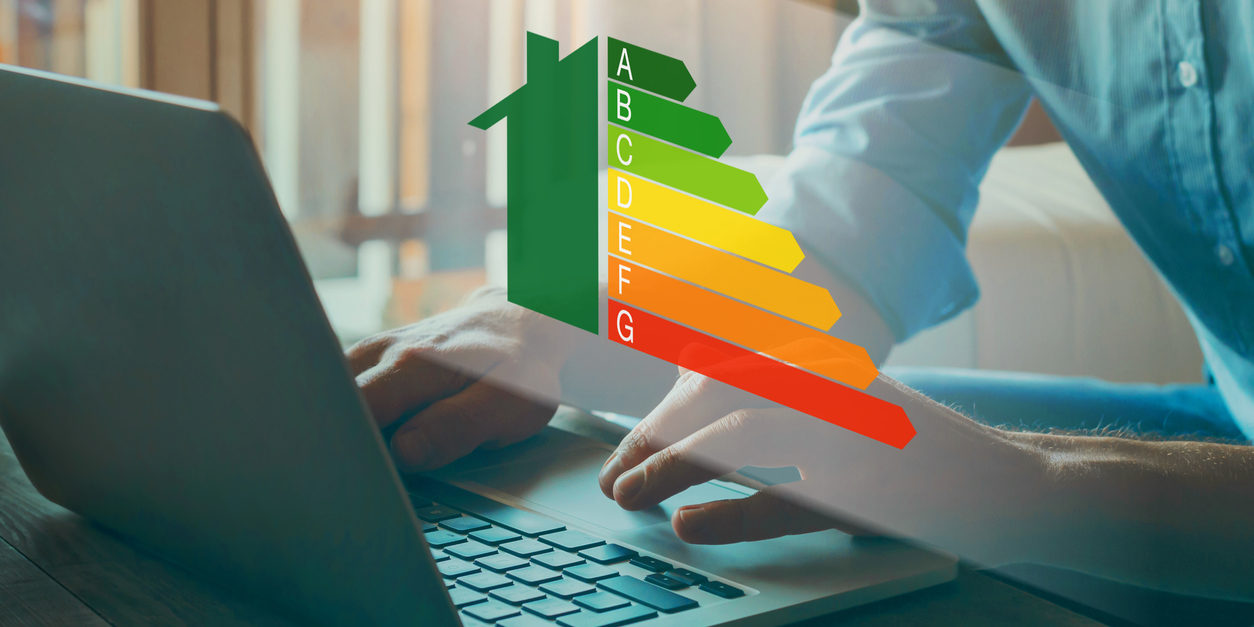
- Energy Efficiency Rating (EER): SAP calculations provide an Energy Efficiency Rating (EER) on a scale of 1 to 100+, with higher scores indicating better energy performance.
- Environmental Impact Rating (EIR): They also produce an Environmental Impact Rating (EIR), which indicates the building’s CO2 emissions.
- Building Regulations Compliance: SAP calculations are essential for demonstrating compliance with Part L of the UK Building Regulations, which pertains to the conservation of fuel and power.
- EPC Production: The results from SAP calculations are used to produce Energy Performance Certificates (EPCs), required when a property is built, sold, or rented.
Key Components of SAP Calculations
- Building Fabric: The thermal efficiency of the building’s walls, roof, floors, windows, and doors.
- Heating Systems: The efficiency and type of heating system used, including boilers, heat pumps, and renewable technologies.
- Hot Water Systems: The efficiency of the water heating system.
- Lighting: The energy efficiency of fixed lighting systems within the building.
- Ventilation: The type and efficiency of ventilation systems, including mechanical and natural ventilation.
- Renewable Technologies: The presence and efficiency of renewable energy sources, such as solar panels or wind turbines.
Calculation Process
- Data Collection: Detailed information about the building’s design, construction materials, and installed systems is gathered.
- Input to SAP Software: The data is input into SAP software, which follows a standardized methodology to assess the building’s energy performance.
- Energy Performance and CO2 Emissions Estimation: The software calculates the building’s expected annual energy consumption and CO2 emissions based on standard occupancy and usage patterns.
- Ratings Generation: The SAP software generates the EER and EIR, providing a clear picture of the building’s energy efficiency and environmental impact.
- Compliance Check: The results are compared against regulatory benchmarks to determine if the building meets the necessary standards.
Factors Influencing SAP Scores
- Insulation Quality: Better-insulated buildings typically score higher.
- Heating and Hot Water System Efficiency: More efficient systems improve SAP ratings.
- Windows and Doors: Double or triple glazing and insulated doors can enhance energy efficiency.
- Air Tightness: Buildings with better air tightness (less draughts) score higher.
- Renewable Energy Sources: Incorporating renewables can significantly boost SAP scores.
- Lighting Efficiency: Use of energy-efficient lighting impacts the overall score.
Improvements Based on SAP Calculations
Owners and builders can use SAP calculations to identify areas for improvement. For example:
- Upgrading Insulation: Adding or improving insulation in walls, roofs, and floors.
- Installing Efficient Heating Systems: Replacing old boilers with high-efficiency models or installing heat pumps.
- Enhancing Glazing: Upgrading to double or triple-glazed windows.
- Improving Air Tightness: Sealing gaps and improving the overall air tightness of the building.
- Adopting Renewable Energy: Installing solar panels, wind turbines, or other renewable energy systems.
Benefits of SAP Calculations
- Cost Savings: Improved energy efficiency leads to lower energy bills.
- Environmental Impact: Reducing CO2 emissions contributes to environmental conservation.
- Regulatory Compliance: Ensures that buildings meet legal requirements.
- Market Value: Energy-efficient homes are often more attractive to buyers and renters.
SAP calculations are a comprehensive tool used to measure and enhance the energy efficiency of residential buildings, playing a crucial role in the drive towards sustainable housing.
CLPM Heating and Energy Consultancy
If you’d like to understand more about how we can help with energy performance, EPC and SAP calculations, please get in touch for a chat.
CLPM Heating and Energy Consultants are Elmhurst accredited.
Call 01923 896550, email info@cl-pm.com or complete a contact form.