Is your home Heating and Energy ready for Winter?
As autumn gets underway is your home heating and energy ready? It is time to plan how to keep your house warm this winter.
The October energy price cap increase is upon us, and it is now more important than ever that we review our home’s current energy efficiency and plan what we can do what we can to reduce our consumption.
We can reduce our bills and help the environment too.
The smallest of margins can make a huge difference. According to the Energy Saving Trust, if you turn down the heat on your thermostat by one degree you can save 10% on your annual heating bill.
Here are another top 10 tips on getting your home ready for the winter.
Tip 1. Service your boiler or current heating system and bleed radiators.
Review your heating arrangements. With the winter approaching, now is a good time to have your boiler serviced, and get your heating system organised?
You need to ensure your boiler can cope with the household demands of a cold winter. If your boiler has seen better days, there’s a good chance it won’t be working as efficiently as it once was.
Older boilers that are inefficient can increase your heating bill quite considerably as they need to work much harder to bring your home up to your desired temperature.
Don’t forget to ensure your radiators are working to their full potential by bleeding them, this will make sure no air is trapped, as that can hinder their heating performance.
Many of the UK’s homes have old heating systems which are inefficient and costly to run. Now could be the time to think about upgrading or updating your boiler or heating system in time for the colder weather.
CLPM offer independent heating system advice and can help you choose the correct system for your home and needs – click here for more information.
Or if you are planning to refurbish your property to make it more energy efficient or are building a new home then CLPM can advise you on how best to insulate your home- click here to find out more.
Tip 2. Update your thermostat.
Upgrading your thermostat could provide a greater accuracy in thermostat to boiler communication. This will prevent energy from being wasted, and in turn save you money.
App-controlled thermostats could be a worthy investment, as you can easily monitor how much energy you’re using, and control it as you wish.
The met office suggest you should heat your home to a temperature of at least 18 °C. This is particularly important if you have reduced mobility, are 65 or over, or have a health condition, such as heart or lung disease. Having room temperatures slightly over 18 °C could be good for your health. Met Office Advice
Other points to consider are:
What temperature is my boiler set at?
Can I controlling the temperature of each room?
Check the times your boiler switches on and off?

Tip 3. Review how you use your hot water!
If you have a hot water tank, make sure it is properly lagged or insulated. This will help keep the water warmer for longer, and reduce your heating costs.
If you can turn down the temperature of your water, this will help you save money.
Remember to check outside, clear your gutters and drains to prevent blockages, and check for any leaks that might freeze.
Tip 4. Add Insulation
You can insulate your home as much as possible to keep the heat in.
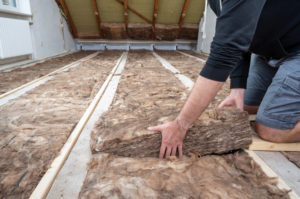
Ensure you have adequate insulation in your loft. If you do not have loft insulation you could be losing up to a quarter of the heat in your home through the roof.
Insulating the loft, attic or flat roof is a simple and effective way to reduce your energy consumption.
About a third of all the heat lost in an uninsulated home escapes through the walls. By properly insulating cavity walls, you will save energy and cut costs off your heating bill. Good advice can be found here Energy Saving Trust
Your door might benefit from a draught-proofing strip between the door and the frame. This can work for both internal and external doors. For any gaps between the bottom of the door and the floor, you can install a special brush or hinged-flap draught excluder.
Tip 5. Draught proof where you can.
Windows are the main area to draught proof. This is one that you can use your DIY skills on.
Sealant and weatherproof tape can help enormously.
Key hole, and letter box covers can also help.
Tip 6. Enjoy the sunshine but consider your curtains!
Heat from the sun is free so make the most of it. Open your curtains and let the sunlight in during the day. When it gets dark, close your curtains as these will act as another layer of insulation and keep warmth in your rooms.
Consider changing curtains to a heavier fabric, or one with thermal technology as this will also help keep rooms warm. Lined curtains are also a good addition.
Tip 7. Floorboards and skirting boards
Bare floorboards look fantastic, but the small gaps between the boards can really let cold air in. Try using a filler to prevent draughts sweeping in through the gaps.
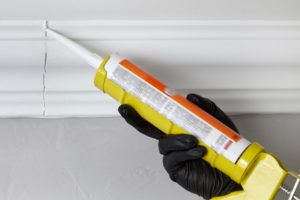
It is quite easy to use a sealant to fill the gaps between the top and bottom of your skirting boards. This can really make a big difference.
Tip 8. Consider where you have your furniture!
It might be aesthetically pleasing to have your favourite chair in front of the radiator. But it will be absorbing heat that could be warming your home. If you move it away from the radiator, hot air can circulate much more freely.
Equally, obstructing unsightly or old radiators with sofas or beds can enormously effect the temperature of your room. Consider a winter shuffle of your furniture to make your rooms more cosy and heat efficient. You can always think about radiator covers to style anything old and unfashionable.
Rugs are not only stylish, they also do a good job of keeping your feet warm if you have tile or hardwood flooring. Why not consider a couple of rugs to make your rooms more cosy, Remember wool is a natural insulator, so a wool rug would be great,
Tip 9. Invest in an electric blanket
An electric blanket can stop you from feeling chilly on a cold winter evening. Some now are more economical than a radiator.
You can also easily move this from the sofa to the bedroom.
Tip 10. Layers are great.
Go back to the old days of adding a jumper, or a blanket. Get to know which materials give the most warmth and layer up!

We do hope you’ve found our Top 10 Tips are useful. Our Heating and Energy consultants can visit your home and advise you on ways you can save energy, and improve your heating arrangements. For more details.
If you are planning to make your home more energy efficient or overhaul your heating system and are interested in some independent expert advice, or you want to upgrade to a renewable energy source then do get in touch. Call 01923 896550, email info@cl-m.com or complete a contact form.