How to check your home’s insulation.
Checking home insulation is an important step in maintaining energy efficiency. A poorly insulated home can lead to higher energy bills but also to health problems.
Our Heating Consultants have produced this handy guide to find out if you have sufficient home insulation.
A report in the Guardian by the Home Builders Federation suggests that in the UK we have the worst housing stock in Europe for adequate insulation. The drive to a greener society has encouraged government to encourage homeowners to upgrade their housing insulation and heating systems.
If you’re wondering whether your home is properly insulated, there are a few ways you can find out.
Check your loft for insulation.
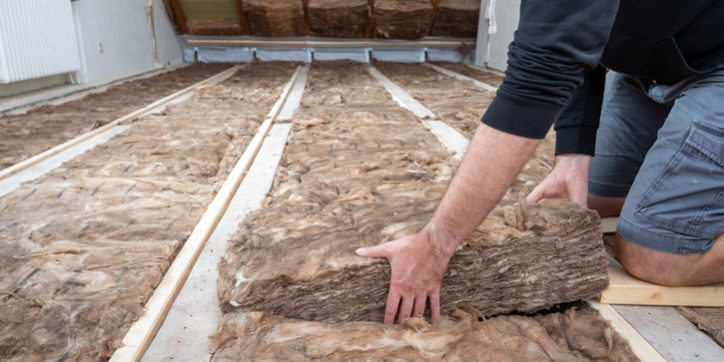
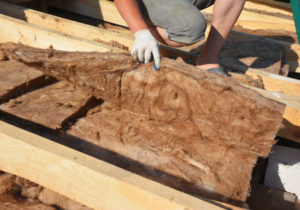
The easiest way to inspect your loft’s insulation is to look for insulation materials between the floor joists. It’s recommended to wear a face mask, eye protection and gloves before manipulating the insulation material.
Some things to consider include:
- The thickness of the existing insulation: Any insulation is better than no insulation but the recommended thickness for maximum performance is 400mm.
- Check the state your insulation is in: Is it newly laid? Is it tightly packed? Is it mouldy or falling to pieces? These things will make a difference to its insulation performance.
- Check how the insulation is laid: Are there gaps where air could pass through? Has it been laid to cover the whole surface, or a bit haphazardly? Have air vents been covered? This may have an impact on its performance and potentially lead to condensation. You are looking for a continuous layer of insulation across the whole ceiling / floor.
Check for more insulation.
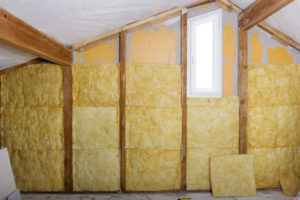
You may be able to assess your interior ceiling insulation by removing spotlights to check behind the plasterboard. The same goes for your internal walls – this can be done by removing your plug sockets to expose behind the scenes. If you’re not confident in doing so then it might be one to avoid and call in an expert.
NOTE If you are going to do this yourself, you must remember to turn the power off at the fuse box. We recommend purchasing a voltage tester pen to be extra sure the area is safe.
For those that are capable and confident, you can also remove the skirting boards and drill into the wall to expose the level of internal insulation.
Are there drafts in your home.
Another way to check is to look for drafts around your windows and doors. If you can feel a draft, that means that warm air is escaping from your home. Which in turn means your insulation isn’t doing its job properly.
Glazing is one of the main heat loss components in a home and anything less than double glazing could potentially be detrimental to your heat loss.
If you have a period property or a listed building, it may not be viable to replace windows. Therefore, you may need to cover them with heavy insulated curtains as an alternative.

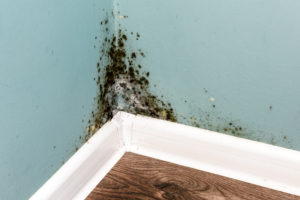
Can you see any mould.
Mould is a big concern because of the potential health damage it can cause and indicates poor insulation of the home. Insulation needs to be able to maintain airflow, when poorly installed it can disrupt airflow and allow mould to build up. Bathrooms are typically common places to find mould because of the warm humid conditions.
Equally any exterior connecting walls that have developed mould growth may be a sign of poor insulation.
Check the R-value of your insulation.
The R-value is a measure of an insulation’s resistance to heat flow. The higher the R-value, the better the insulation. Different types of insulation have different R-values, so check the product label to see what the R-value is for the insulation in your home.
It is also a good idea to check your EPC rating. This is a rating of your homes energy efficiency. One of the main causes of a poor EPC performance rating could be down to the condition and level of your insulation.
Other things to look out for?
Energy Bills: Compare your energy bills with similar-sized homes in your area. If your bills are considerably higher, poor insulation might be a contributing factor.
Temperature Fluctuations: Pay attention to temperature fluctuations inside your home. If some rooms feel significantly colder or warmer than others, it might indicate inadequate insulation.
Professional Inspection: Consider hiring a professional auditor in energy efficiency. An energy consultant can come to your home and conduct a thorough assessment. They will check the fabric of your home and determine whether your insulation is sufficient. They will then identify any areas that may need additional insulation and write a report for you.
The report will detail all the find in their thorough assessment and provide suggestions based on their findings.
Summary
Improving insulation can lead to increased energy efficiency and cost savings in the long run. If you find inadequate insulation, consider adding more insulation in the form of rolls, batts, blown-in insulation, or foam boards to improve your home’s energy efficiency and comfort.
Remember, insulation issues can vary from house to house. It’s essential to combine various methods to get a comprehensive understanding of your home’s insulation status.
If you’re uncomfortable or unsure about doing any of this yourself, it’s best to contact a professional heating engineer to carry our a survey for you.
CLPM Heating and Energy Consultancy
If you feel your home or property is not energy efficient, and would like further advice and suggestions of ways to improve to be more energy efficient, please contact us. Call 01923 896550, email info@cl-m.com or complete a contact form.
We hope you have found our blog ‘How to check your home’s insulation‘ useful.