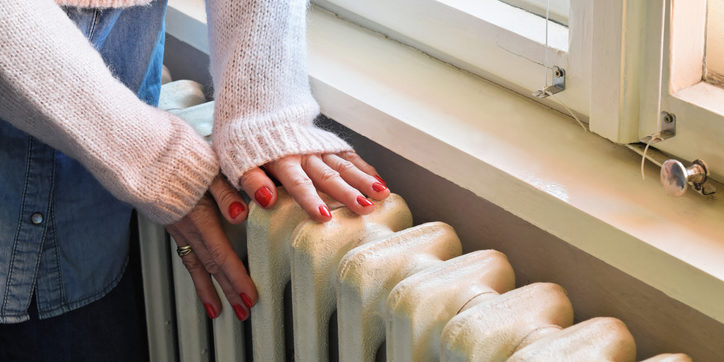
How to bleed your radiators!
The Heating and Energy team often receive calls from clients who have cold rooms, or inconsistent heat. One reason may be that the radiators need some attention. The team here have noted down the simple steps, if you feel confident, on how to bleed your radiators!
Bleeding your radiators is important for maintaining an efficient heating system.
Here is our step-by-step guide:
- Turn off the heating: Allow the system to cool down before starting. It’s safer and prevents hot water from spurting out when you bleed the radiators.
- Locate the bleed valve: Find the bleed valve on each radiator; it’s typically located on the side, often near the top. It looks like a small square nut or a round knob.
- Prepare tools: Get a radiator key or a flat-blade screwdriver that fits the valve. Have a cloth or container ready to catch any water that might drip.
- Start bleeding: Place the cloth or container under the valve. With the radiator key or screwdriver, slowly turn the valve counter clockwise. You’ll hear a hissing sound – that’s the trapped air escaping. Keep turning until water starts to flow steadily without any sputtering.
- Close the valve: Once water flows consistently, quickly tighten the valve back clockwise to stop the water escaping.
- Check pressure: After bleeding several radiators, check the boiler pressure gauge. If it’s dropped too low, you may need to re-pressurise the system according to the manufacturer’s instructions.
- Turn the heating back on: Once you’ve bled all the radiators and the system is pressurised correctly, turn the heating back on and check that all radiators are heating evenly.
Remember
If you’re uncomfortable or unsure about the process, it’s best to contact a professional heating engineer to avoid any mishaps or injuries.
Additional note for some boilers.
Our experts note that if you have a combi or system boiler and you bleed your radiators, it may affect the pressure. In some cases bleeding radiators might cause the boiler pressure to drop and the boiler may stop. In other cases you may need to reset the pressure once the radiators have been bled.
You may need an engineer to help with this.
NOTE: CLPM can advise that this may be required, but will not be able to assist in carrying out the task at your property!
CLPM Heating and Energy Consultancy
If you are experiencing problems with your heat system, and would like further advice on how to improve your property, and be more energy efficient, please do get in touch. Call 01923 896550, email info@cl-m.com or complete a contact form.
We hope you have found our blog ‘How to bleed your radiators!’ useful.