What is the optimum time to put the heating on??
With the change in the weather and winter on the way, we are constantly asked ‘what is the optimum time to put the heating on’?
Here are some things to consider!
The optimum time to put your heating on depends on several factors. These include your comfort preferences, the outside temperature, and your energy efficiency goals.
Here are some considerations to help you determine when to turn on your heating:
-
Outside Temperature:
Start by monitoring the outside temperature. Experts suggest a good time is when the temperature outside start becoming consistently cooler and when the average outdoor temperature falls below around 15ºC. If it’s significantly colder inside your home than your desired indoor temperature, it’s also a good indicator that you should turn on the heating.
-
Programmable Thermostat:
If you have a programmable thermostat, you can set a schedule that aligns with your daily routine. This allows you to have your home at a comfortable temperature when you need it and reduce heating when you don’t.
-
Pre-warming:
Some people prefer to turn on the heating system in advance of when they need it to ensure the home is warm when they wake up or return from work. Pre-warming can help you avoid feeling cold and uncomfortable. You should set the central heating programme to come on around half an hour before you get up, and go off around half an hour before you go to bed.
-
Zoning:
If you have a multi-zone heating system, you can selectively heat the rooms you are using while keeping others cooler, which can help save energy.
-
Energy Efficiency:
Consider energy efficiency and cost savings. Lowering your thermostat or using a setback feature when you’re not home or at night can save on energy bills.
-
Personal Comfort:
Ultimately, the best time to put your heating on is when you feel uncomfortable due to the indoor temperature. Make sure your home is at a temperature that suits your comfort needs.
-
Insulation and Sealing:
Proper insulation and sealing of your home can help maintain heat, so you may not need to turn on the heating as early or as high if your home is well-insulated. Around a quarter of a home’s heat is lost through poorly insulated roof spaces, so it’s worth checking the depth of your loft insulation. The recommended depth recently increased from 200mm to between 250-270mm, but our experts suggest using slightly more.
Remember that it’s essential to strike a balance between comfort and energy efficiency. You don’t want to overheat your home when it’s not necessary, as this can lead to higher energy bills. Regular maintenance of your heating system can also help ensure it operates efficiently.
Overall, the optimum time to put your heating on will vary from person to person. It will also depend on individual preferences and circumstances. Experiment with different schedules and temperature settings to find what works best for you. Remember to keep your energy consumption in check.
Should I keep the heating on all day?
The Energy Saving Trust is clear on this one: leaving a boiler on for longer will cost more. It’s better to just have it on when you need it.
What temperature should my boiler be?
Both the Met Office and the Energy Saving Trust suggests it costs more to turn the heating up than to leave it on for longer.
An optimum temperature would be between 18C and 21C. Or if you have ill or vulnerable people at home the temperature should be warmer, up to 23C . Bedrooms can be slightly cooler. The NHS recommends 16C to 20C for babies’ bedrooms.
This is different from the boiler temperature, which is the temperature of water inside the pipes themselves. That shouldn’t go below 65C on a regular boiler or 60C on a combi boiler. This will stop bacteria growing inside, according to the Energy Saving Trust.
Should I keep the heating on at night?
Experts suggest that it’s not advisable to keep your heating on at night, unless it is particularly cold in your home.
However, if there was a seriously cold snap and the temperatures plummet then you may have to keep the heating on a low, consistent heat. If you keep the heating off during the coldest nights you could risk the pipes freezing over which could then burst and result in significant water damage. With a huge temperature difference, you could also overwork the heating system to reach the ideal temperature which could cost you money.
Should I delay putting the heating on?
With the rising energy costs, it’s inevitable that many will want to wait until the last moment to put our central heating on. But waiting too long, or letting it get too cold before doing so, can become an issue.
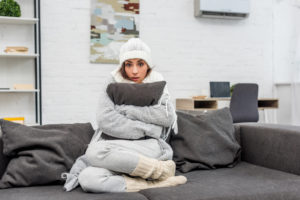
Firstly, you could risk your health. A home that is too cold could result in the worsening of respiratory diseases such as asthma, or joint problems like arthritis. While for the elderly and those with compromised immune systems, the potential for hypothermia is exacerbated if spending too long in a home that is too cold.
Equally, by keeping radiators off and the home cold, you encourage the possibility of damp and mould. Therefore the savings in your heating bills, might be negated by the need to address damp problems. Our experts suggest not letting our room temperature fall below 13°C as this is when the risk of mould begins to become a possibility.
Maximise the use of radiators
Should I turn down the radiators?
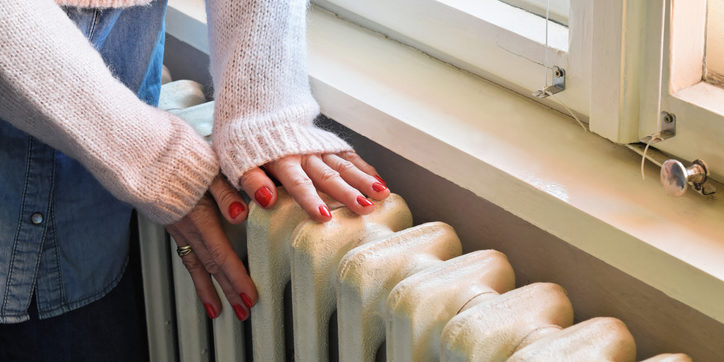
Most radiators have controls on the side to change the temperature. These thermostatic radiator valves, if these are used correctly, they can save you money. Our experts suggest setting them at three or four to start, and then go up or down if the room is too hot or too cold.
Should I bleed my radiators?
Bleeding your radiators saves money by removing the air bubbles which make it slower to heat up your home. The air trapped in them it will stop the water circulating properly, which can result in cold spots at the top of the radiator. Our experts suggest you should aim to bleed your radiators every year as it starts to get cold.
Don’t forget to clean your radiators!
Radiators often attract dust. Our experts recommend these are cleaned to ensure they work efficiently.
Question the need for radiator covers?
Radiator covers can reduce the efficiency of your radiators by up to 70%. While they might look nice in your home, they can be made from materials such as wood which can block the heat from circulating.
Change up your room layout!
Ensure your furniture does not obstruct your radiators. Consider electric blankets, draught excluders, thermal curtains and throws. These can all add to a nice cosy feel to your room design.
Advice
It is not advisable to allow your home to go below 18º when you are awake and between 16-18º in your bedroom when you are asleep, is the advice of our heating expert Rob Bohm.
It is also advisable to ensure your heating system is regularly checked to ensure it continues to work efficiently.
If you have an old heating system that might need an overhaul, or if you are thinking of changing your heating system, you may want to take some advice. Especially if you are looking to improve your insulation and address any draughts.
If you are looking to move to a greener solution and retrofit to use renewable energy then again, you may want to take some advice.
The main point is that whatever your reason, even if you are staying with the same system, you want your system to work efficiently. This includes when you switch on, at what temperature and for how long.
If you are planning to make your home more energy efficient or overhaul your heating system and are interested in some independent expert advice on heat pumps then do get in touch. Call 01923 896550, email info@cl-m.com or complete a contact form.