Are you starting a building project?
Are you planning to extend, renovate or improve your home? There are plenty of things to do before starting your building project.
The CLPM team have put together some handy things to think about. Planning and research is key to success. So make sure you dedicate the time to this important stage.
Here is a list of things our team suggest you do before starting your building project: –
1. Write a to do list
Begin by writing a comprehensive To Do List for your building project. Aim to create a really detailed plan for your build. Afterall, the more time you spend now, doing your desk research, the better.
Don’t forget to check things like whether you need to contact your mortgage provider as well as looking into what additional buildings and contents insurance you might need.
2. Check Through Your Drawings
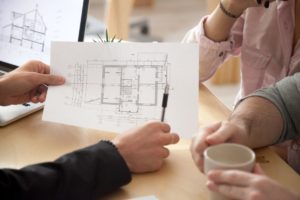
Take the time to pore over your architectural drawings and make sure you understand exactly what they are. You’d be surprised how easy it is to completely miss some of the less obvious details! Get clarification from your architect or designer if you need to.
Try to imagine what every room will look like and how you will use it. Think about where your furniture will go, and where you’ll store or display all of your belongings. You can always use some squared paper from your children’s maths exercise books and create mini, to scale versions to help! Cut the pieces out and move things around to check they fit – this will help you if you need to consider wall space for permanent elements like radiators etc too.
3. Think Envelope & Infrastructure
One major area of building projects that has historically gone under the radar – are energy performance and heating systems. In today’s world with the energy crisis and prices eye wateringly high, these are really important and should be researched and thought through properly.
There’s no point spending lots of money making your home bigger or more aesthetically pleasing if it’s cold, uncomfortable to live in or expensive to run! You need to focus on future-proofing your property by making sure it performs to modern standards. By this we mean considering its thermal performance – insulation levels, air tightness and how it is heated.
Building regulations require you to meet their requirements. There are lots of changes to understand. New energy efficient measures are now in place, with more due in 2023. The climate emergency means we all need to minimise our carbon emissions. As 15% of the UK’s emissions come from our homes, we should all be aiming to make our homes as energy efficient as possible. It’s a sensible decision, as if you do this your home will be more desirable should you wish to sell it in the future. Plus, it will be cheaper to run and more comfortable too.
i) Energy Performance Considerations
Check if you have you given enough consideration to insulation. Not just in your loft but the walls and floors too. If you have cavity walls, are they insulated? Consider what you should be doing to boost your internal or external wall insulation, as well as insulating under floors. Likewise make sure you take all the measures you can to reduce draughts and maximise airtightness.
Doors and windows also play a part. They are usually the weakest link when it comes to energy loss in a building. Now is the time to invest in double or triple glazing with a low U value. Make sure that you choose your new doors with this in mind too.
Energy performance is a specialist area. CLPM’s independent energy team can survey your home and help guide you to ensure you make the best decisions.

ii) Heating Considerations
- Is your heating system old? Do you have mains gas or are you using an oil boiler or electric storage units? What is the most appropriate heating solution for your property? Are renewable technologies a wise investment?
- Is your boiler sufficient or will you need to upgrade your heating system? If so, what capacity will you need, what control systems will you use and where will the zones and thermostats be.
- Are you adding underfloor heating? If you’re replacing or adding more radiators what types, where will you place them and what size do they need to be?
- How will you provide for your hot water needs? Will you need a water storage tank and if so, where will it be?
Not all builders or plumbers have the breadth of knowledge to help you make the most informed decisions. CLPM’s independent heating advisors can provide you expert, impartial advice.
4. Get Closer to the Detail
Have you signed off your architectural designs or finishes?
Most of us are guilty of putting off making tricky decisions. And when you’re feeling a bit stressed and you’re busy it’s very easy to procrastinate. If you are still deliberating over what tiles you want in your bathroom or what colour to paint your kitchen! Now’s the time to decide.
Remember much of your research can carried out online. Pinterest and Houzz are both great sources of inspiration.
Also remember if you don’t decide these things then you might end up making snap decisions you may regret. Or even worse your builder may end up deciding for you – and then you’ll run the risk of paying for things that you really don’t like!
5. Create your master document
It’s not enough to just make all these decisions. It’s a good idea to capture them by writing them all down in one place.
Set up a spreadsheet, room by room, to help you work out what you need to decide on. The document could include the manufacturers or stockists and prices of the finishes too. Set up a folder and attach sketches, brochures or quotations as you go.
The details for each space should include: –
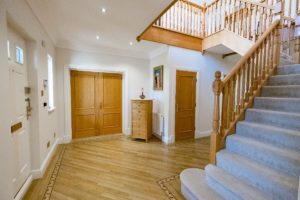
Floor finishes
- eg. what wood, carpet or tiles. Be specific – there are hundreds of types of engineered boards out there! Also make sure they’re suitable for underfloor heating, if appropriate.
Skirting board and architrave details
- eg. what are the profiles, and what colour is it to be painted.
Walls and ceilings
- eg. what paint colours are to be used. Is there any tiling and if so in what configuration?
Doors
- eg. what is the finish eg. varnished, oiled or painted. Is it glazed. Does it need to be a fire door?
Ironmongery
- eg. what hinges, doorhandles, locks are to be fitted?
Power sockets
- eg. how many and where do you want them? What finish – plastic, steel, chrome?
Light fittings
- eg. specific fittings and positions of downlighters, wall lights, pendants, feature lighting.
Light switches
- eg. where you do want the switches. Consider how do you want to layer the light in each room. You may want to have the lighting on several circuits so you can alter the ambience of the room. Do want any lights on PIR or timers?
Window sills
- eg. what material is to be used? MDF or wood and if so what paint or varnish colour. Or else stone or tiled?
Technology
- eg. think about what TV, telephone, door bell, alarm systems points are needed and where they will go.
Carpentry
- eg are you having fitted wardrobes, cupboards or shelving installed. What are the details.
Bathrooms, en-suites and cloakrooms
- eg. list the specific sanitaryware items and which taps and waste units etc you want. Don’t forget other items such as shaver points, ventilation and heated towel rails.
Kitchens and utilities
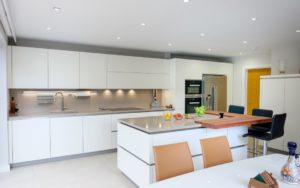
- eg. list the units, the handles, the sinks and taps and the worktop materials. Are you having a watersoftener installed? Where will it be stored and how will it affect your plumbing design? Don’t forget to think carefully about where you’ll place your white goods and appliances. Better to have too many sockets and lights than too few. What about ventilation?
Outside space
- eg. external lights, patios, driveways, fencing and landscaping. Have you decided on what you’re doing where. For example what is the layout of your patio, what slabs you’re using. Will you need to re-seed or turf your lawn? Have you considered adding external lights, power sockets or outside taps. What about saving water measures – now’s a good time to add water storage butts to your downpipes? You could also add wildlife friendly features such as boxes for swallows, swifts and house martins to nest in.

#By completing this task for every space in your new home you can not only capture and remember the specific details, but it will also create a really useful briefing document for you and your build team.
The more you things you decide upfront, the more organised your build will be – meaning that there will be fewer problems or misunderstandings later on.
N.B An experienced building projer manager can help you organise your build – both in the pre-construction phase and once your build team are working onsite. Why not call CLPM on 01923 896550 to find out more about our building project management services?
6. Check Your Budget
Do you know how much your build will actually cost? No doubt you started out with a budget in mind, but that was probably a while ago – have you checked that your plans are still affordable?
Until now you’ve probably just estimated roughly how much build itself and then the fixtures and fittings will cost. But once you’ve finalised your designs and finishes, and created your masterdocument you can begin to get a much more accurate estimate of your total project costs.
The best way to check your budget is to work with an experienced Quantity Surveyor. They can take your drawings and all your information and produce a line by line cost estimate for your project. They will also include many of the things you might have missed too – such as skips and scaffolding.
N.B CLPM’s team of experienced Quantity Surveyors who can help prepare a comprehensive estimate for your build.
Get in Touch
We hope we’ve found our tips on what things to do before starting your building project useful.
If you’re in the planning stages of organising a building project and are interested in any of our services then do get in touch. Our friendly team can talk you through your options and we provide FREE, no obligation quotations.
Complete a contact form, email at info@cl-pm.com or call 01923 896550 to find out more.