Sustainable Architecture & Designing an Eco-Friendly Home
CLPM are passionate about sustainable building. We care deeply about the environment, and aim to provide our clients with the knowledge they need to inform their plans and designs to create an eco friendly home.
With the current building regulations, and the governments targets, it is more important now to consider all these factors.
Climate change is on many homeowners’ minds, now may be the time to turn to a more sustainable future of homeownership, and sustainable architecture is paving the way to mitigate our impact on the environment.
So, whether you’re looking to buy a new home that’s more eco-friendly or looking for sustainable upgrades to your existing house, we’ve got you covered.
This blog will explain what sustainable architecture is and how you can make a greener future for your own home.
What is sustainable architecture?
Sustainable architecture is an all-encompassing term that describes commercial and residential buildings designed, built, and lived in with an eco-friendly approach in mind.
Every step of the home building process takes sustainability into account, from designing and planning to choosing sustainable building materials and renewable energy sources for heating, cooling, plumbing, and blending the home into the natural environment.
History of green architecture
Sustainable architecture has its roots in age-old building techniques. Since the first Earth Day in 1970, green architecture has seen a resurgence. Now that climate change is more apparent and affects homeowners across the globe, there are many reasons for architects and homeowners to embrace more sustainable buildings and houses.
With sustainability, zero-waste, green, and environmentally friendly becoming popular terms, it’s essential to understand what exactly makes a home or commercial building sustainable.
Characteristics of a sustainable building design
Sustainable architecture considers many different elements with an overarching focus on our impact on the environment. From using natural materials and reducing energy consumption to aiming for net-zero buildings and combating climate change, there are many ways to bring sustainable architecture into your home. Here are some of the more common characteristics of a sustainable building.
Active sustainable design
Active sustainable design is the first of many ways to increase a home’s energy efficiency. Also called Eco or Environmentally Conscious design.
Active design strategies typically use energy sources such as electricity and gas to optimise energy consumption. These strategies include solar panels for electrical power and heating, wind power, and higher-efficiency systems.
Passive sustainable design
On the flip side, passive design strategies use natural elements to make a space eco-friendlier. These choices include factoring wind patterns and sun orientation into the building’s construction. During the design process, architects may choose larger roof overhangs to protect the sunnier side of the home, allowing for better insulation during warm months. Another popular passive design choice is cross-ventilation, giving homes better airflow and reducing air conditioning use during warm months. While other examples include using recycled materials, durable exterior building materials, higher efficiency windows, and rainwater collection systems.
Green building materials
Many green building materials can help achieve a more sustainable home. Green building materials are typically derived from natural materials and renewable sources. They can help reduce a home’s energy costs in the long run. Some of the most common green materials include cork, bamboo, stone, straw bale, and adobe brick. Similarly, you can also incorporate recycled materials like recycled plastics and reclaimed wood into your home’s design.
Pro Tip: Whether you’re building an energy efficient home from scratch, or carrying out eco-friendly renovations on an existing property, you need to begin by considering the fabric of your building. The way your new or existing property is constructed is crucial. To create as sustainable a house as possible, you need to assess all opportunities for boosting the energy efficiency of the property while minimizing any environmental impact you make. To build a sustainable home you need to consider the four R’s of sustainability – Reduce, Reuse, Recycle, Recover – CLPM
Green roofs
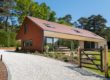
Green roofs are more common in larger residential buildings like apartment complexes rather than single-family homes, although they can be achieved in smaller properties – as shown in the image.
Typically, green roofs feature a rooftop garden or grassy area with trees and plants that help improve air quality and reduce a building’s temperature.
The CLPM Project Management team are experienced in the construction of these. Read about our case study.

Renewable energy
A key characteristic of an eco-friendly building design is the use of renewable energy. The most popular example of renewable energy is none other than solar panels. Solar panels can be used in a few ways to power your home, such as electricity, water heating, and air conditioning. Note that solar panels take energy from the sunlight, so they won’t work when the sun is set. This needs to be factored into the heating system design.
Another example of renewable energy is geothermal energy systems which use the earth’s temperature to generate power into a home. This is commonly done with an air source heat pump. Air source heat pumps transfer heat into your home rather than converting it from a fuel source. There are different types of air source heat pumps, so speak with an expert such as CLPM who specialise in energy-saving technologies to determine which is best for your home.


Eco-friendly landscaping
Eco-friendly landscaping aims to reduce energy consumption used in traditional landscaping while also helping the environment. Examples of eco-friendly landscaping include reducing water usage, reducing fertilizer and pesticides, composting, growing your own vegetables and fruits, and strategically planting native plants or plants based on their need for sun or shade.
Native landscaping incorporates plants like trees, shrubs, and flowers that naturally occur in a region into a home’s landscaping. Using native plants helps insect species and animals thrive, reduces pesticide use, and eliminates the need for fertilisers. There are many other benefits of using native plants, such as cutting water usage, reducing air pollution, and helping promote biodiversity.

Sustainable choices for your home
There are lots of small changes that can make a significant impact in the long run. Here are some common sustainable swaps you can make for a greener home.
-
LED light bulbs:
LEDs use significantly less energy and last longer than traditional light bulbs. It’s an easy swap to make your home more energy-efficient and sustainable. You can also consider upgrading your outdoor lighting to LED or a solar-powered option.
-
Smart thermostats:
Installing smart thermostats can better help regulate heating and cooling in your home, especially when you’re not at home. From setting your thermostat from your smartphone to features that automatically adjust the temperature based on the weather, smart thermostats can be a sustainable choice for your home.
-
Energy-efficient toilets or bidets:
Replacing an older toilet with a more sustainable alternative can increase your home’s efficiency and reduce water use. You can choose a toilet with a dual-flush system. To further reduce water and paper products, or consider adding a bidet to your bathroom.
-
Composting:
Another common sustainable practice you can implement in your home is composting food waste. Rather than throwing out food scraps into the trash, toss these scraps into a compost bin.
-
Choose recycled or second-hand furniture:
This doesn’t mean replacing all your current furniture with more sustainable options, but if you’re moving into a new place and need furniture there are other options to consider. For example, you can choose a reclaimed wood dining table or a second hand sideboard.
Benefits of green architecture
Sustainable architecture doesn’t just benefit the environment, but it can benefit you whether you’re a homeowner or if you rent a property. Let’s take a look at just some of the many pros of green buildings.
Reduced energy consumption:
A benefits of green architecture is reduced energy production. By incorporating these sustainable technologies into your home, you could reduce your monthly energy bills.
Better indoor design:
Interior design improvements can have a significant impact on sustainable architecture. By using materials free from volatile organic compounds, improving your indoor-outdoor ventilation and air flow, and choosing better insulation, your home may be more comfortable to live in.
Reduced carbon footprint:
Lowering your carbon footprint is another critical factor in sustainable architecture. Your carbon footprint is the total amount of greenhouse gasses – carbon dioxide, methane, and fluorinated gasses – emitted into the atmosphere. Many sustainable alternatives like LED lights help to reduce your carbon emissions.
More durable houses:
Many sustainable materials are lower maintenance and have better durability than standard construction materials.
Lower water usage:
You’ll likely use less water in a sustainably designed home. Whether it’s installing rainwater collection systems, having a native landscape, or using efficient plumbing fixtures, many design elements can help reduce water consumption.
CLPM were asked to provide a Pro tip for this article by Alison Bentley.
To read more, Sustainable Architecture: Designing an Eco-Friendly Home in Redfin
CLPM’s Heating and Energy Consultants are fully qualified to assess your property or designs and advise you how to be more energy efficient.
It is much easier to plan at the outset, than to retrofit. Research and take advice early, to avoid additional costs later on.
Our team of Project Managers have experience in working on environmentally friendly construction projects, and can assist with your plans.
It is true that 90% of unmanaged projects suffer from quality issues, delays and overspends. Take steps to make sure yours isn’t one of them.
If you’re carrying out a major building project and would like to understand how CLPM can help you get the best result while saving you time, money and stress then do get in touch – we’d love to hear from you!
Call 01923 896550, email info@cl-pm.com or complete a contact form.