What is Retrofitting?
Retrofitting is essentially the process of making an existing building more energy-efficient and eco-friendly. It involves upgrading the fabric of a building and its energy systems. This could include elements such as insulation, heating, and lighting, to reduce carbon emissions and improve sustainability. CLPM have produced this short blog to outline ‘What is Retrofitting’?
Retrofitting is becoming increasingly popular due to changes in regulations aimed at reducing carbon emissions, along with more awareness of the impact of climate change.
Why Retrofit?
If you want to bring your home up to date with a series of enhancements which will mean it’s ready to face a low-energy future, a retrofit could be exactly what you’re looking for.
Here are some of the benefits you could achieve by retrofitting your property.
-
Lower energy bills
Insulating and draught proofing a home can help prevent energy from being wasted.
Introducing a low carbon heat or power system can make a home more energy self-sufficient. This means that more energy is generated within the home, rather than purchased from an energy provider. This can protect a homeowner from future energy price rises.
-
Smaller carbon footprint
Reducing the amount of energy needed to heat and power a home reduces a homeowner’s carbon footprint. This in turn is positive for the environment, and will go towards meeting the new Government targets.
-
Higher property value
Implementing measures identified in a retrofit report will improve a home’s Energy Performance Certificate (EPC) rating. This certificate is required when a home is bought or sold. The higher the rating will make a property more attractive to a prospective tenant or owner.
-
A more comfortable home that’s easier to maintain.
Improving the insulation of a home can reduce draughts and help a keep a home warm. This can help prevent health issues such as, asthma, flu or breathing problems. This also means a home is more suitable for a changing climate (such as hotter summers and colder winters). Improving the insulation and ventilation of a home will prevent damp or condensation and ultimately the quality of your property.
-
Compliance with regulations and Government targets
The government have proposed introducing regulations to reduce the carbon emissions from homes. These changes include a proposed ban on replacing existing gas boilers with new ones from 2035.
The Government have set a target for the UK to have net zero carbon emissions by 2050. Therefore, retrofitting your home now can help you get ahead.

How does Retrofit work?
These are the 5 main steps to complete a retrofit project.
- First, a qualified retrofit professional will visit and survey your home.
- This allows a bespoke plan to be produced for you. This will include a number of measures to address. The decision of what measures to carry out and when is up to you. They can be carried out in one go as a whole house plan, or in stages to suit your budget, lifestyle or needs.
- Once you are ready you can obtain quotes for the works. These need to be from approved retrofit contractors.
- Once a preferred contractor is chosen the work cab begin.
- Finally, the work is completed and checked. It is important the work is checked to ensure it is implemented to all required quality standards, and your aims have been met.
How do I know where to start?
Getting a retrofit assessment survey and report can cost a few hundred pounds depending on the size of your home and where you live. However, it can save you some costly mistakes in the long run.
An assessor will visit you and survey your house. They will produce a list of retrofit measures that are needed to bring your home up to an energy efficient standard. They will list them in priority order and help you understand the costs building costs.
What measures will a Retrofit Assessor look at?
Retrofitting takes on a multi-faceted approach, and property owners can implement as much or as little as they wish.
Retrofits typically involve a fabric first approach. This can include significant improvements to the walls and roof which will maximise the thermal performance and comfort of your home. It can also include further insulating internally, assessing the floors, upgrading windows, and taking advantages to improve ventilation and airtightness.
Importantly, retrofitting helps to improve a property’s energy efficiency through the addition of new technology or features. Renewable energy sources are often installed during retrofit works as these typically provide more efficient heating and hot water systems, thus future proofing the property.
Retrofit measures can include the improvement and/or installation of:
- wall, floor, and loft insulation
- energy efficient windows and doors (double or triple glazed)
- more efficient or renewable heating systems (for example, an air source heat pump)
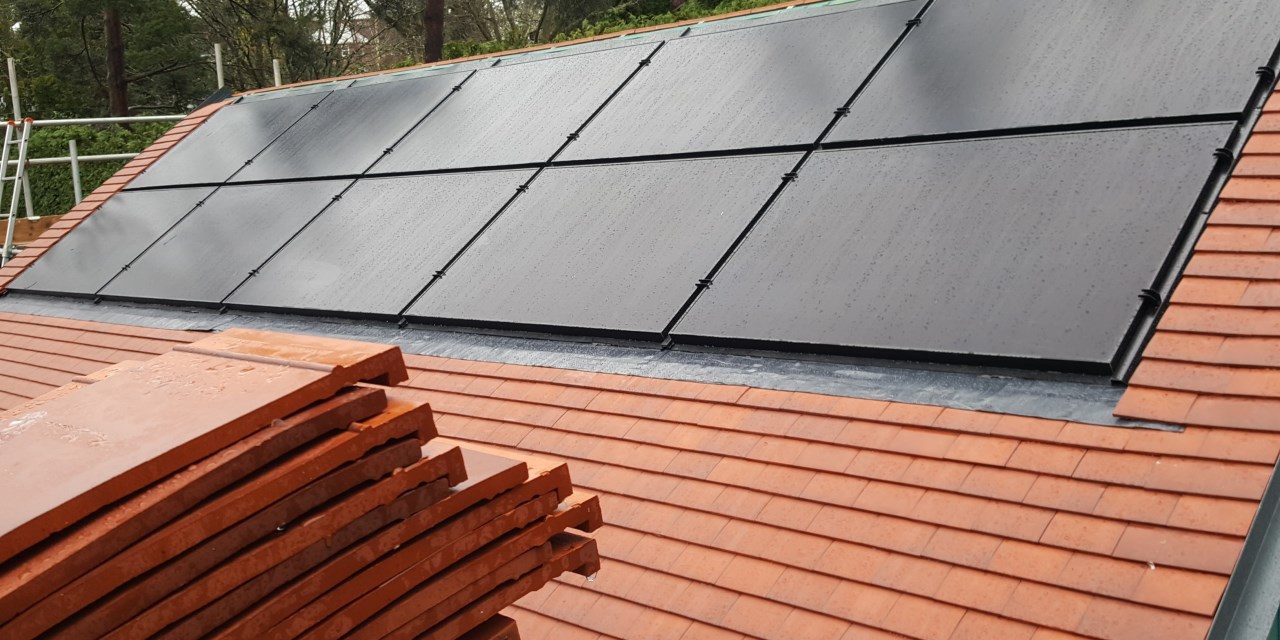
- solar photovoltaic panels for the generation of renewable electricity
- draughtproofing
- ventilation
- rainwater harvesting opportunities
- smart thermostats
CLPM can help?
If the idea of improving your home’s energy efficiency through retrofitting is important to you, and you want to reduce your carbon footprint, then why not chat with our team today.
CLPM have a well-established Heating and Energy Consultancy. The team have more than 30 years of experience between them, so you can be sure you are in good hands.
Our team of qualified Retrofit Assessors will be happy to visit you and help you plan your retrofit journey.
Give us a call on 01923 896550, or email info@cl-m.com or complete a contact form. Our friendly sales team can talk you through your options.
Blog: What is Retrofitting?