
CLPM were appointed to provide Heating and Energy Efficiency advice.
THE PROJECT
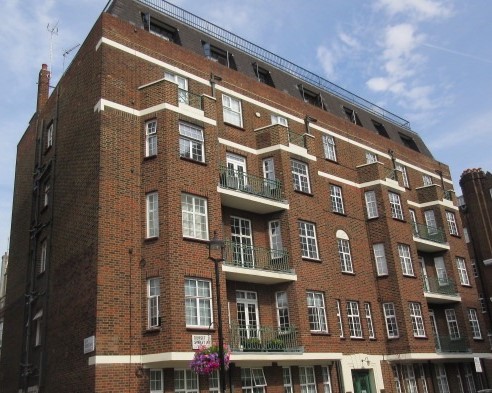
The CLPM Heating and Energy team were asked to provide Heating Efficiency Advice for an Apartment Block in London. This was carried out via a Site Survey to the property and plant rooms. All advice and suggested improvements were then documented in a written report.
THE CHALLENGE
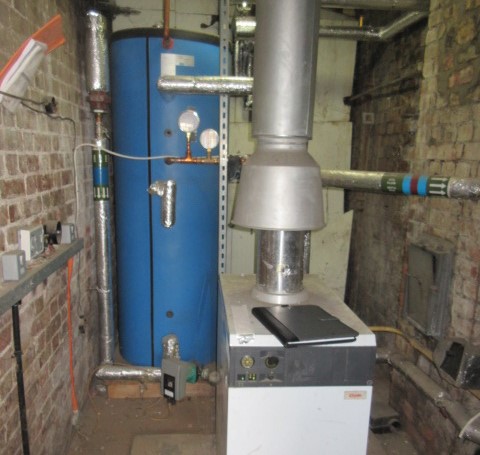
The heating for each apartment is independent and to the tastes of each resident. The hot water for all the apartments is a communal system fed from an industrial sized cylinder heated by one ageing gas boiler.
Starting with the plant room, CLPM found that the boiler was undersized to heat the cylinder. Also that there was no temperature control fitted to the cylinder. In addition, when the cylinder was replaced, undersized pipework had been substituted for the formally correctly sized pipework it had replaced. And finally, insulation was missing from certain areas of the pipework.
With the hot water system as it is there is no way of recording the exact amount of hot water each apartment uses. However, each apartment has to pay an equal amount of the relevant utility bills. CLPM were requested to find a solution whereby each apartment is billed for its own use, nothing more.
CLPM prepared a report listing several recommendations.
THE SOLUTION
The CLPM team were able to help provide the required Heating Efficiency Advice for an Apartment Block in London.
Suggestions
Replacing the existing boiler with two, modern condensing boilers. That combined, would give the required heat output to adequately heat the hot water in line with the hot water cylinder manufacturers specifications would be a good idea.
The boilers could work in conjunction with a cascade controller and a buffer storage vessel. This would reduce the amount of time the boilers ran for, increase their efficiency, and lengthen their lifespans.
As the only current means of controlling the hot water temperature is via the boiler thermostat, a somewhat inaccurate and inefficient method. Installing the correct manufactures controller on the cylinder would lead to more accurate temperature control and efficient usage of the hot water.
Further Improvement Suggestions
Increasing the pipework diameters to their former sizes could be beneficial in avoiding a drop in water pressure, especially at times of high demand.
Adding the correct insulation to the pipework in the areas where it is missing would also be beneficial to the heat retention of the hot water within the pipework as it is conveyed to the point of demand.
It was suggested that a smart heat meter could be fitted on the hot water supply to each apartment at the point where the supply became independent from the communal pipework.
This would enable the readings for each apartment to be wirelessly transmitted to a central hub that the administrators for the apartment could access to bill each apartment for their exact usage thus ensuring a fairer billing method for lower users.
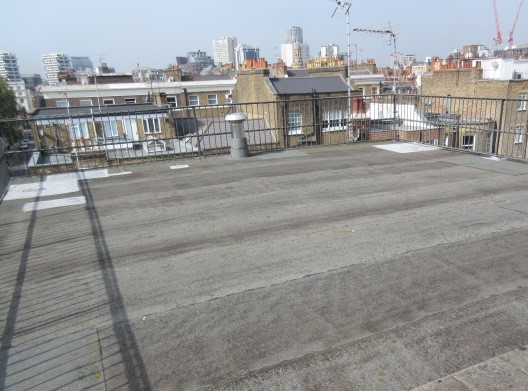
Finally, there is a large, flat, exposed roof space. This would be ideal for the installation of solar panels. The electricity generated by the panels could then be used to power any number of suitable items. Such as the lift, the supply to the hot water system boiler, the hot water cylinder immersion in an emergency, etc.
Battery storage could also be added if required.
THE RESULT
The clients now have some suggestions to take to their managing committee. This report will show that with the implementation of these measures not only should the utility bills reduce but the introduction of heat meters should lead to a fairer method of billing based solely on usage.
Heating Efficiency Advice for an Apartment Block in London
These points can only be determined via a site survey and investigations undertaken by our consultants checking each element.
Suggestions are based on having been to the property and noted all the surrounding circumstances. This is not a one suggestion fits all scenarios, and we can’t stress enough how each property is different.