Independent Advice on Heat Pumps
A recent article in Homebuilding and Renovating Magazine outlines a frightening stat. The article claims that 56% of builders do not have a sufficient enough knowledge of heat pumps to be able to recommend them to clients. Given the Government targets to move from Gas to Renewable Energy, this is not very encouraging.
The study also found that 44% of builders are unaware of the benefits heat pumps can offer. The report goes on to say that EON, who commissioned the research, said this lack of knowledge is a major barrier to a greater uptake of the less carbon-intensive and more efficient alternative to traditional gas boilers.
We suggest that anyone considering moving to a heat pump talks to an independent consultancy. This way you can find out all you need to know, so you can be informed of what your builder does not know.
What do you need to know?

Understanding Heat Pumps
Before you consider purchasing and installing a heat pump, it’s crucial to understand how heat pumps work.
A heat pump is a device that transfers heat energy from one place to another. It can extract heat from the air, water, or ground and transfer it inside or outside a building, depending on whether it’s heating or cooling.
Types of Heat Pumps
There are various types of heat pumps, including air-source, ground-source (geothermal), and water-source heat pumps. Each type has its installation requirements and considerations, so you will need to know if your property is able to have the one you have chosen.
Location
Choosing the right location for the heat pump is critical. It should be placed where it can efficiently extract or reject heat without obstruction. Noise, airflow, and accessibility for maintenance should also be considered and worked into your plans.
Sizing
Properly sizing the heat pump is essential for efficiency and effectiveness. Factors such as the size of the space being heated or cooled, how many people live at the property, typical usage, insulation levels, climate, and desired temperature range all need to be considered.
An oversized or undersized heat pump can lead to inefficiency and discomfort.
Installation Requirements
Depending on the type of heat pump, you may need to install an outdoor unit (compressor/condenser) and an indoor unit (evaporator). Proper placement, mounting, and securing of these units are crucial.

Can I just replace an old gas boiler with a heat pump?
In theory yes, but… most likely not in the same location. You might also need to consider if your pipework is compatible to the new system, and if you need to upgrade your radiators. A heat pump works best when the environment is set up for it to do so. You may need to improve your insulation, and ensure your home isn’t draughty.
So, while you could replace one for another, you must find out what work you need to carry out for the new heat pump to work effectively and efficiently.
How will I know if it is installed correctly?
Here are some thoughts from our consultants that you can use to check your installation.
- Check Credentials: Make sure the installer is licensed and experienced in installing heat pumps. You can ask for references or check reviews from previous customers.
- Inspect Installation: Take a close look at the installation to ensure that it appears neat, professional, and compliant with local building codes. Check for proper mounting, secure electrical connections, and adequate clearances around the unit.
- Check Refrigerant Levels: Improper refrigerant levels can affect the performance and efficiency of the heat pump. Make sure the installer has charged the system correctly according to the manufacturer’s specifications.
- Inspect Ductwork: If applicable, inspect the ductwork for leaks, proper insulation, and adequate airflow. Poorly designed or installed ductwork can significantly reduce the efficiency of the heat pump system.
- Test Operation: After installation, test the heat pump in both heating and cooling modes to ensure that it is functioning properly. Pay attention to any unusual noises, odours, or performance issues. Verify that all controls, including thermostats and sensors, are installed and functioning correctly.
- Review Documentation: Ask the installer for documentation, including warranty information, manuals, and any permits obtained for the installation. Keep these documents for future reference.
By following these steps, you can have greater confidence that your heat pump has been installed correctly and will provide efficient heating and cooling for your home.
Do your Research
The study found three-quarters (75%) of Brits want to choose sustainable options when renovating their homes this year. Although half (50%) of the people surveyed believe heat pumps are too expensive to install.
They also believe the key to a successful heat pump installation lies in the quality of design and execution. The report suggests that you choose a reputable company with positive testimonials and ensure they possess the necessary credentials and approvals from manufacturers.
CLPM believe that carrying out your research is vital. Discussing your plans with an independent company for practicalities, feasibility and costs are what will make your project successful. You need to understand all the points above, and know how they will work for you. Looking into this will help you plan any necessary works, and then you can cost this.
We can even guide you into ways to hide your heat pump if you find it intrusive.

Get Expert, Independent Advice
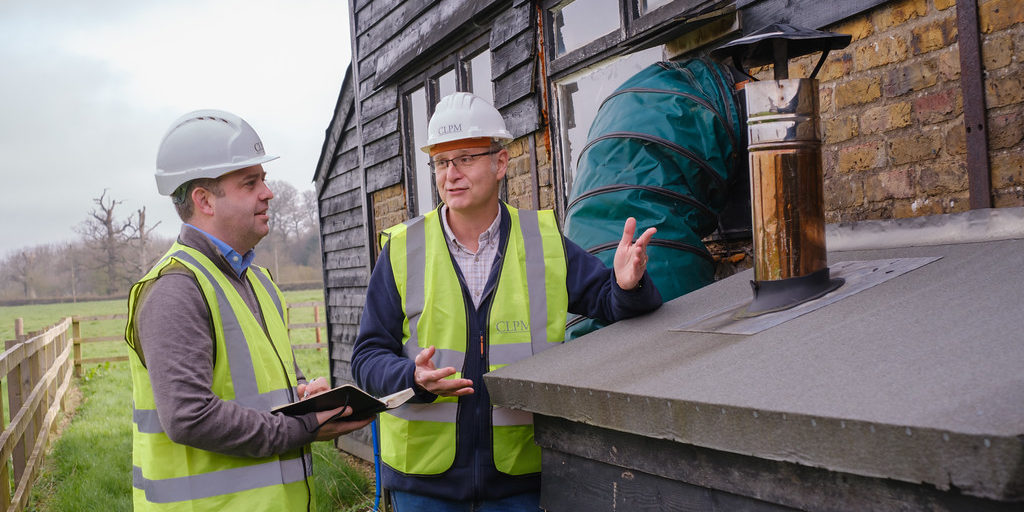
Here at CLPM we are independent experts on sustainability and give impartial advice on ALL types home heating systems. We like to visit your property. Here we will carry out a full review of your home energy performance, and discuss your plans. The team aim to give you all the advice you need to help you and your architectural design or build team make the most appropriate energy efficiency improvements. If you’d like expert input we can help. We can help on decisions regarding levels of insulation, what windows to install, the most suitable heating system (and control system) and the suitability of any renewable technologies.
Get in touch
To find out more about how CLPM can help you with your move to renewable energy. Call 01923 896550, email info@cl-pm.com or complete a contact form.