James Bryden, Director at CLPM outlines what his top tips are when embarking on a home improvement, renovation or self build project. He will outline How to Project Manage your Build, and provide his advice on managing a successful project,.
Understanding your priorities
Understanding which of these is your key driver is the first step to a successful project.

James Top Tip – Identifying which priority is in charge will help you plan.
Time
Are you confident you can give your project the time it requires. Some projects can last for a couple of years. If you can be available, fantastic. If not, you may need to hire a project manager to oversee the job. Someone has to have full oversight, be there to deal with queries quickly and efficiently, and make snap decisions. Make sure you can commit to this.
Quality
What type of build are you aiming to achieve. The quality of workmanship, and cost of quality finished all need to be worked into your budget. You also need to be sure you can check a quality finish from a substandard one. If this is not your skill set, you may need to appoint a construction consultant who has that experience and expertise.
Money
If costs are your driver, then research and budgeting are essential. Quantity surveying services can provide high level and detailed budgets, procurement routes through to on site valuations and financial monitoring.
If budget is important to you, this will more than likely influence your procurement route.
Design, Design, Design
Detailed designs will help you understand how your project pieces together. It is like one big puzzle, and if a piece is missing, it will cause issues.
If you can create detailed designs early, it will save you time and stress along the way.
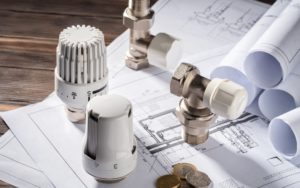
Make sure your designs include everything relating to the build and the project. We often see plans without any thought to drainage, or what heating system is to be installed.
In the long run, decisions will need to be made as the project progresses, but it they can be thought of and included early it is a huge help.
James Top Tip – plan and be confident with the detail early.
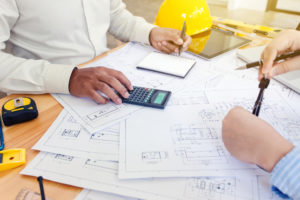
Comprehensive Pricing Schedule
Once your designs are in place, a pricing schedule will put you in control of all you costs. Your plans need to be right down to the smallest details. Such as how much tiling you want so the costs can be worked out. Alternatively think of it this way, if you have not designed your lighting scheme, you can not budget for how many lights, sockets, cabling would be required. If you need to add costs in along the way because they were not planned at the beginning, you will not be in control of your costs.
Sometimes it is tricky to plan to that level so early, in which case you will need to plan a contingency fund to allow for changes and additional costs.
James Top Tip – if budget is your key driver, you may find you need to trim costs once a detailed budget has been completed. This can be achieved through our value engineering services.
Understanding Interdependencies
Once your plan and pricing schedule is complete, it will show you the interdependencies that need managing.
James top tip – a programme is a great way to keep a track on timings.
construction programme is the most coherent way to achieve this.
By planning the detail, you will know which suppliers you are using, and what their lead times are likely to be. This will dictate ordering dates, which must be in line with the build schedule.
Regular coherent communications
Regular communications are critical to a projects success. CLPM Project Managers always hold regular meetings and circulate minutes with all parties involved.
Everyone needs to have the most up to date drawings to work from. This way no errors will occur. There are times where we have come across instances where one part of the build team have a different set of plans to another.
James top tip – he suggests that the most recent information is displayed visibly throughout the project, so the whole build team know where to refer to should they need to.
Check the work matches the drawings
Finally, once everything is in place, it is time for the project manager to inspect the work that has been done, and ensure it is in line with the plans and drawings.
They will ensure what is planned on the drawing is being built on site to the required standards, ultimately checking that you are getting what you have designed and what are paying for.

Get in Touch
If you would like more information on how CLPM can help you with estimating construction costs, or project management we’d love to hear from you. Call us on 01923 896550, email info@cl-pm.com or complete a contact form.
How to Project Manage your Build