I wish I had used a Quantity Surveyor to arrange a Contract!
We have recently spent 3 days at a trade show.
Each day we spoke to people who were researching, or embarking on a construction project. This was great as we believe it is very important to plan your project and finances meticulously from the outset.
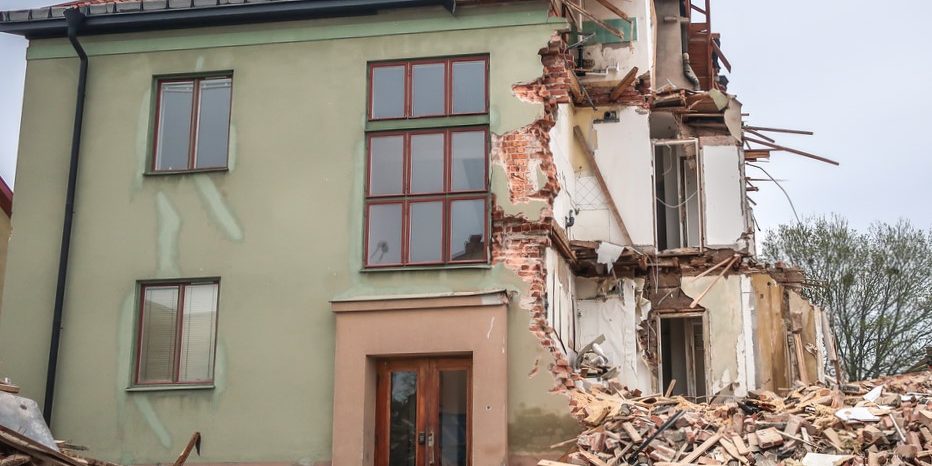
We also spoke to a couple of people who had run into trouble on their projects. One such person said he had fallen into every pitfall he possibly could have. He was keen to show us images of his property where part had been demolished and was just a pile of rubble. He was telling us that he has had to change his build team, and after months and months things are only just getting resolved.
His main issue was that as things started to go wrong, he was still paying for this and that and was running out of money. He did not have a contract in place, so had no financial protection. He saw our stand and came over to say ‘I wish I had used a Quantity Surveyor’, and then asked what we did!
Here we look at why it is important to use a Quantity Surveyor and have a contract in place.
Do I need a contract?
A building contract plays an important part in helping you control your building costs. This formalises your agreement, the price, and the works necessary. Along with the completion date, and how much and when your builder will invoice you and receive payment from you.
CLPM use industry standard contracts ie JCT.. Our Quantity Surveying team regularly work with contracts and will be able to advise which contract is suitable for your project, and draft it for you.
It is possible that not using a contract can expose your build project to risk. If you don’t use a standard form of building contract you expose yourself to your contractors’ terms and conditions, or common law to control payment, disputes, and insurance amongst other things.
Our team found that projects that start without a contract can be delivered very late and at much higher costs than initially envisaged.
Having a contract in place when renovating a house is crucial for several reasons, as it protects both you and the contractor. Here are the main reasons why a renovation contract is important:
1. Clear Expectations
- A well-drafted contract outlines the scope of work, including specific tasks, materials, and finishes to be used. This helps prevent misunderstandings between you and the contractor about what will be done and how it will be completed.
2. Budget and Payment Terms
- The contract clearly defines the total cost of the project, payment schedule, and any deposit or milestone payments. It protects you from unexpected price hikes or hidden costs. It also ensures the contractor is paid according to progress.
3. Timeline and Deadlines
- A contract sets the project’s timeline, with clear start and finish dates, as well as deadlines for specific milestones. This holds the contractor accountable for completing the work on time and gives you a basis for recourse if the project is delayed.
4. Scope of Work
- It specifies the exact work to be done, including the areas of the house to be renovated, the materials to be used, and any subcontractors involved. This prevents “scope creep,” where additional work is done without prior agreement, leading to higher costs.
5. Change Orders
- In most renovations, changes are common. A contract will include a procedure for handling changes to the original plan (known as change orders), ensuring you agree on additional costs and time extensions before new work begins.
6. Liability and Insurance
- The contract specifies that the contractor is responsible for having proper insurance, including liability insurance and workers’ compensation. This protects you from being held liable for any accidents or damages that occur during the renovation.
7. Warranties and Guarantees
- A contract can include warranties for both workmanship and materials. This ensures that if there are defects or issues with the work after completion, the contractor is obligated to fix them.
8. Dispute Resolution
- The contract provides a framework for resolving disputes, whether through negotiation, mediation, or arbitration. This can help avoid costly and time-consuming legal battles.
9. Legal Protection
- A signed contract is legally binding, giving you legal recourse if the contractor doesn’t complete the work as agreed. It provides a foundation for enforcing the terms if things go wrong.
10. Protection Against Abandonment
- In rare cases, a contractor might abandon a project before it’s finished. A contract outlines the penalties and steps you can take if the contractor fails to complete the job.
11. Ensures Compliance with Local Laws
- The contract may specify that the contractor is responsible for obtaining the necessary permits and adhering to local building codes and regulations. This prevents any legal or compliance issues down the road.
Having a contract ensures that both parties are on the same page, minimises risks, and protects your investment. It provides a clear path for moving forward smoothly, resolving issues, and avoiding misunderstandings during the renovation process.
Do I need a Quantity Surveyor
Cost Estimating and Understanding your budget
Once your designs are more detailed, CLPM can help you by calculating an estimate of the material and labour costs, line by line. Doing this gives you an accurate figure to refer to, and it will help give you the reassurance that your costs have not got out of hand.
It’s always a good idea to carry out a construction cost estimating exercise before you apply for planning permission or your architect starts to work on your building regulations drawings.
Tendering
Once you have your budget organised, appointing a Quantity Surveyors to carry out a professional tender will result in you getting a choice of accurate, comparable contractor quotations for your construction project.
Once your build team is arranged, it is critical to have a contract in place. This will formalise your agreement in terms of the price, the works to be done, the completion date, and how much and when your builder will invoice you and receive payment from you.
Contracts
Having a proper contract in place will help you both schedule to keep your project on track – and will also enable you to organise financially and prevent any major cost issues. Should there be any changes to the works mid-construction it also gives a legal framework to help ensure any price variations quoted are fair and reasonable.
On Site Cost Monitoring and Contract Administration
Even if you have carried out a thorough tender process and appointed your build team with a construction contract, cost variations still do happen.
Changes in the construction phase mid-build are inevitable, so you need to put some cost management measures in place. Appointing a QS can help reduce the impact of any cost changes. They will also provide regular reports so you always feel informed and in control on your construction budget.
Having a building contract and QS acting as your Contract Administrator will make it easier to plan your finances. It will also significantly reduce the risk of unexpected overspends.
If you are happy with this process then great, or CLPM can help you tender for your build team and trades.
Don’t be the one thinking I wish I had used a Quantity Surveyor, chat through things with our team. Find out more about our QS Services.
Our client said at the end of the project “CLPM offered a great degree of comfort, it was reassuring to know there was someone on our side, keeping track of all the costs“
If you have a self-build, renovation or home building project, we would be happy to provide cost advice. We can start with a budget, manage the tender process, prepare contracts and manage costs throughout. Our flexible personal approach means you can use as many of our services as you wish.
We hope you have found this ‘I wish I had used a Quantity Surveyor to arrange a contract!’ blog useful. If you want to find out how we can help you set and control your construction project budget then we’d love to hear from you.
Simply call us on 01923 896550, email info@cl-pm.com or complete a contact form.