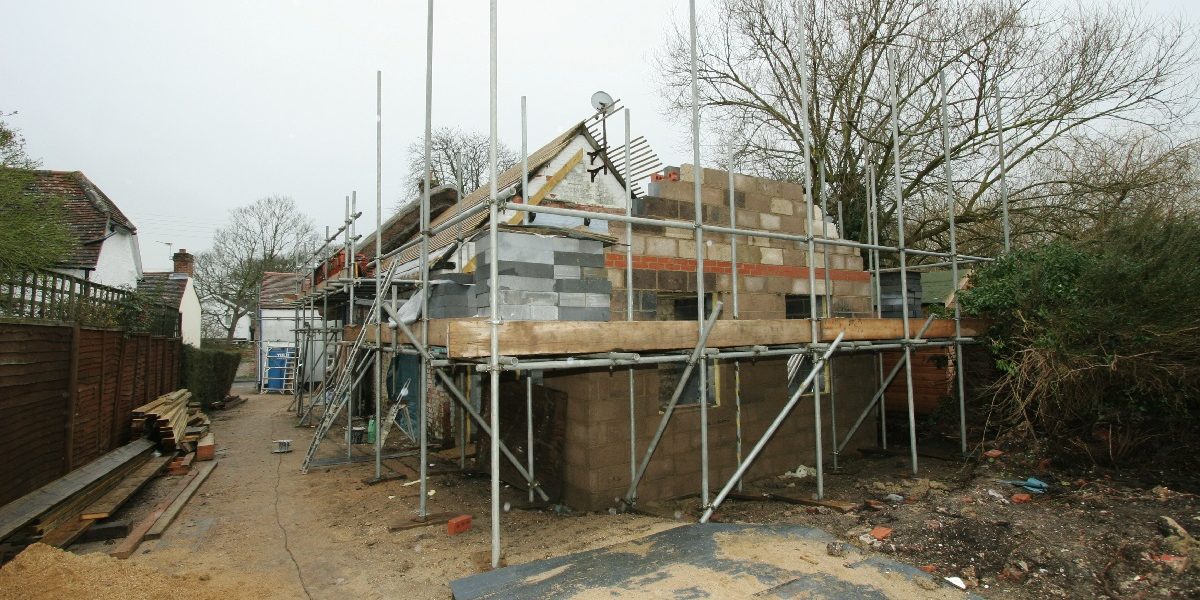
DIY Dangers with Asbestos
If you are a client, designer or contractor in the construction industry, then you need to know about materials that contain asbestos. Along with the dangers they can cause to your health. Our guest blogger, Faith Franz from the Mesothelioma Center, talks about the problems with asbestos. She suggests ways we can prevent asbestos exposure during do-it-yourself (DIY) projects.
When homeowners initially decide to do their own renovations, asbestos exposure is usually the last thing on their mind. However, the dangers of exposure during a DIY project are significant. Especially in a home that was built before the 1980s.
Asbestos in the Home
Thousands of construction products were once manufactured with asbestos. Most of them remain in homes today. Some of the most common asbestos products include:
- Insulation
- Wallboard
- Flooring tiles or adhesives
- Paint
- Spray-on wall treatments
While most homes contain these items without them posing any health dangers to the residents. Do-it-yourself projects may damage them in a way that releases asbestos into the air.
Even the slightest sort of impact on an asbestos-containing material can turn the asbestos from non-friable (not easy to crush) to friable (easily crushed). Chipping away paint. Scraping up flooring materials. Drilling or cutting through walls. Or tearing out pipes can all create an asbestos exposure threat by releasing fibres into the air.
Unfortunately, people can be exposed to asbestos without even knowing it. The fibers are typically contained within a normal-looking product, and individual asbestos fibers cannot be visually identified. Asbestos fibers are microscopic and there is no way to know that you are breathing them in.
Preventing Asbestos Exposure During Do-It-Yourself Projects
Even with the risk of asbestos exposure, homeowners can still safely proceed with do-it-yourself projects as long as they adhere to certain guidelines.
First, before beginning any physical renovations, asbestos sampling should be performed. To ensure safety for the residents of the house, sampling should be done by a licensed professional. These workers know how to identify potentially asbestos-containing home products and extract a portion without causing asbestos to enter the air.
An accredited laboratory will analyse the samples for asbestos content. Any products that are found to pose a risk should not be renovated by a homeowner. Instead, these materials should be removed or remediated by an abatement company. Homeowners may want to consider hiring a separate company to perform any pre-renovation abatement to avoid any conflict of interest with the initial sampling service.
DIY Projects
During any DIY project, if you come across any construction material that you believe might contain asbestos, stop the project immediately. Contact a professional to analyse it before you continue. While it may be an inconvenience, the risks posed by renovating an asbestos-laden structure far outweigh the loss of time on the project.
If asbestos products are accidentally disturbed, anyone in the area may face an increased risk for serious diseases such as mesothelioma, lung cancer and asbestos cancer. Many of the people who produced the original asbestos-containing materials have since developed these conditions. Handling them now still poses similar health risks to DIY renovators.
If asbestos is accidentally disturbed during a DIY project, homeowners should register themselves. And anyone else who may have been exposed at the residence for regular health screenings.
Author bio: Faith Franz is a writer for the Mesothelioma Center. She combines her interests in whole-body health and medical research to educate the mesothelioma community about the newest developments in cancer care.
CLPM have health and safety at the forefront of their minds. Our Principal Designer is available to identify risk to projects, and our directors are trained to assess the safety of bigger commercial projects. We are regularly asked to provide construction method statements and construction management plans.
For more information, please call 01923 896550 or email info@cl-pm.com