Construction Method Statements and Management Plans.
What are they and do I need one?
This blog will talk about Construction Method statements and Management Plans, and when and why you might need them.
Great news…you’ve received planning permission.
It is time to go through the small print. You might be wondering what is meant by certain Health and Safety conditions that your local council are asking you to fulfil before you start work. More importantly, how you go about discharging them.
This blog will outline the differences between a Construction Method Statement and a Construction Management Plan. We also look at when, if, and in what order each one may be required.
It is very important to gather as much health and safety information about the project and the proposed site before work begins. It needs to be documented in the correct way to adhere to planning regulations.
The project will have a better chance of running more smoothly, efficiently, and most importantly safely, if potential health and safety hazards have been evaluated, planned for and managed from the outset.
The legislation on construction health and safety requires action to protect those at work on site and members of the public who may be affected. The key safety and health elements which require attention will typically be a planning condition. Each local authority and each project will have a different set of requirements, and it will be the responsibility of the client, or the clients representative to ensure each one is in place.
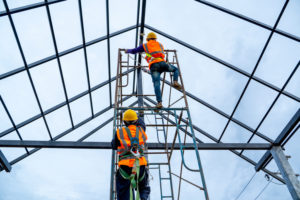
CDM Principal Designer
A risk assessment is required on all construction projects. This should be “suitable and sufficient” as a legal requirement for projects of a smaller size as the HSE.Gov explains.
It is important to ensure this first step is complete before moving on to further documentation.
We must also note that the client is responsible for ensuring this is in place. It is the client’s decision who they appoint to create this but the starting point for any project must be a risk assessment. This can be carried out by the client, an architect, a contractor or a specialist Principal Designer.
The CLPM team can support you with advice on the CDM Principal Designer role should you need help. https://cl-pm.com/construction-project-management/cdm-principal-designer-services/
It’s important to understand however that a Principal Designer is not a Health and Safety expert or an architectural designer. Their role is to evaluate risk and establish a project procedure for safety.
Construction Method Statement
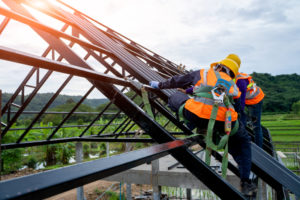
Where a risk assessment identifies key hazards, or areas that might incur danger, a Construction Method Statement might be necessary.
This could be for specific hazards or could be required for certain stages of the build. These are often listed as a planning condition to help minimise any danger in construction.
The CLPM team are trained to be able to provide these where necessary.
Depending on the planning requirements, a comprehensive Method Statement could include:
- the required equipment to complete the task
- timings and hours of working
- personal protective equipment required
- detailed steps to take to ensure safety
- equipment storage
- emergency procedures
- contact details for health and safety personnel.
A Construction Method Statement document should begin with an overview of the project. This should include all useful key information. For example, expected start and completion dates, plans, work permits, and the site address. This also needs to include a description of what the project is, potential risks and what dangerous equipment is planned to be used.
Further detail may then be required to highlight a checklist of those hazards and safety measures that have been identified during the risk assessments. This document should include the standard operating procedure for each one and emergency procedures. The aim is to provide a specific outline of how each ‘risk’ should be managed on site.
Construction Method Statements are particularly important to monitor building work because so many tasks during a build can involve high levels of risk. For example, workers typically use heavy equipment, work from heights, or can be exposed to dangerous materials. Each one needs to be documented with an outline of how to complete each task safely.
If there is a need to demolish a building, a Construction Method Statement is often required to explain how works on a development will be carried out during the demolition phase to prevent any harm.
Anyone on site can then use these statements as the project progresses as a checklist for safety precautions.
Construction Management Plans
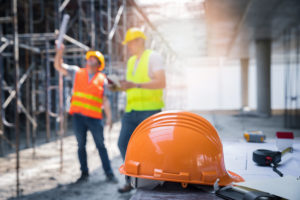
For larger scale projects and commercial developments, a Construction Management Plan might be required. While this is a holistic overview of a project, it will need to go into much more detail in specific areas that are listed as a planning condition.
A Construction Management Plan will need to have considered the following:
- A clear outline and aim of the project
- Roles and responsibilities of the main stakeholders
Site history should be considered:
- unusual ground conditions is there asbestos?
- public rights of way across the site
- nearby schools, footpaths, overhead cables, roads or railways
Consideration of whether there are any operations that will affect the health or safety of others working at the site should be included. Where will trades have access, and how often? What welfare facilities are available?
Depending on the requirements of the planning authority, the nature, context and complexity of the project, a Construction Management Plan might also include:
- A Programme and / or schedule of works
- Site access
- Impact on neighbours
- Traffic and road management
- Health & safety
- Environmental issues such as noise & vibration, air quality & dust control
- Emergency planning & response procedures including a fire prevention plan
- Waste management
- Ecology, cultural heritage & archaeology
The Construction Management Plan should become a live document which can be updated as the project evolves during the pre-construction construction and post-construction phases. It is inevitable that new information will emerge, and this will need to be factored into each stage of the process.
The requirement of a Construction Management Plan is not just limited to large scale projects and developments but is now a crucial requirement for any project that is likely to impact the local neighbourhood during the works. This can range from a simple basement extension taking place on an existing single residence through to major urban regeneration projects.
When a council requires a Construction Management Plan to be submitted as part of the planning application process for a new development or as a planning approval condition to be in place before work on-site can commence, it is essential to engage with an expert.
CLPM have an experienced team who can help.
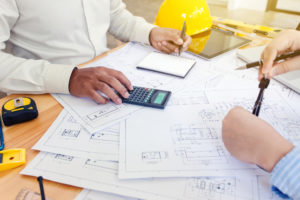
CLPM CDM Principal Designer Support Services
So, remember, any project that goes ‘on site’ involving more than one contractor must have a designated a CDM Principal Designer.
By appointing CLPM to support you with your CDM Principal Designer needs, we can help you ensure you have everything covered.
Are you interested in further services? Does your planning authority require specific clauses. If so, we would love you to get in touch. Call 01923 896550, email info@cl-pm.com and our team will be happy to chat. Or you can complete a contact form here.
For further information visit our project management section or have a read of our blogs and case studies.