Sustainable Homes

What is Retrofitting?

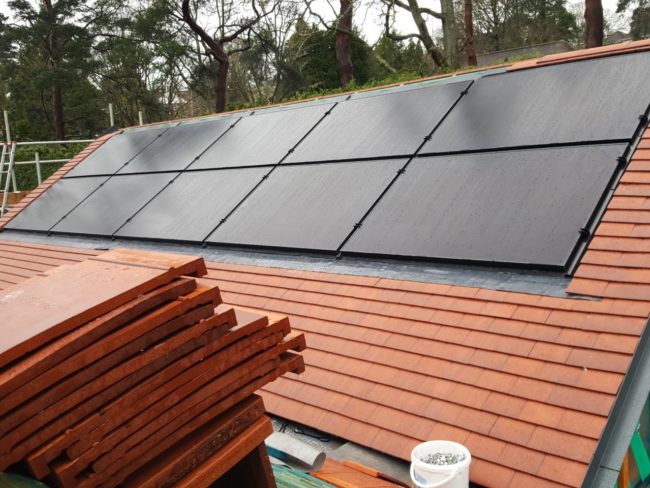
What is Retrofitting?   Retrofitting is essentially the process of making an existing building more energy-efficient and eco-friendly. It involves upgrading the fabric of a building and its energy systems. This could include elements such as insulation, heating, and lighting, to reduce carbon emissions and improve sustainability. CLPM have produced this short blog to outline…
Self build

Benefits of building a Self Build Home

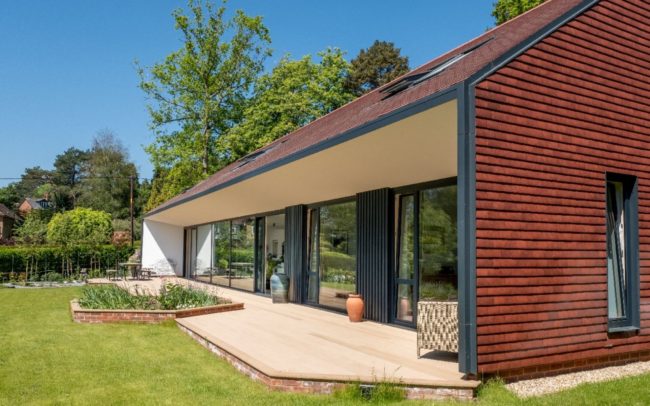
CLPM look at the Benefits of building a Self Build Home.   When you build your own home, you are starting with a blank canvas. You can create and design a floor plan to suit your needs. Along with fixtures and fittings to match your tastes and budget. You can also incorporate additional green features,…

Timber Frame Home

Pro’s and Con’s of a Timber Frame Self Build Home

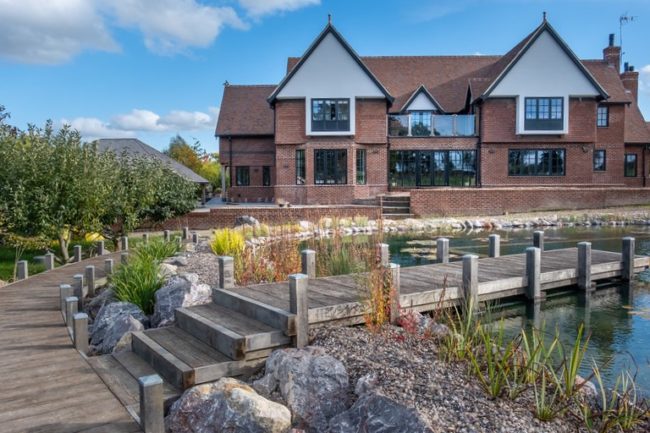
CLPM look at the Pro’s and Cons’ of a Timber Frame Self Build home.   Building a timber frame home has its own set of advantages and disadvantages. Here are some of the pros and cons to consider when deciding whether to build a timber frame home: Pros: Aesthetic Appeal: Timber frame homes often have…

ICF blocks

Pro’s and Con’s of building a Self Build Home using ICF

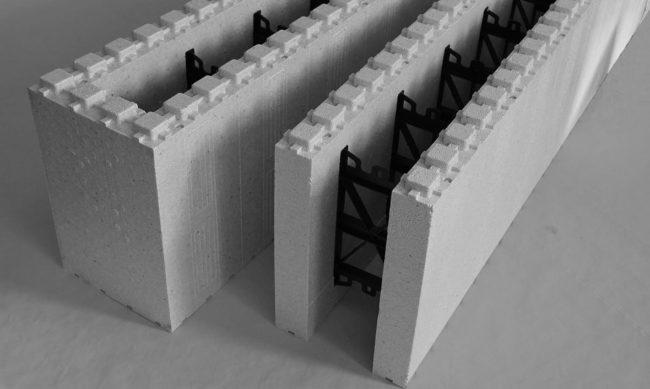
CLPM look at the Pro’s and Con’s of building a Self Build Home using ICF   What is ICF? Building an Insulated Concrete Form (ICF) home has several advantages and disadvantages, which should be carefully considered before deciding to use this construction method. ICF homes are constructed using a system of interlocking, hollow, and lightweight…

SIPS Panels

Pro’s and Con’s of a Self Build Home using SIPS

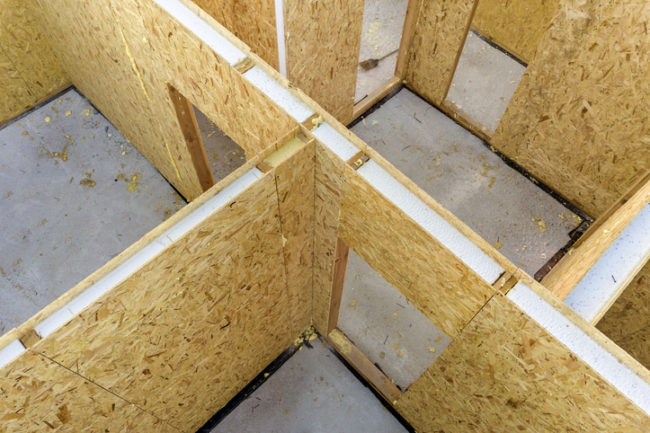
CLPM look at the Pro’s and Con’s of Self Build Home using SIPS   Structural Insulated Panel (SIPS) homes are a type of construction that uses insulated panels made of a rigid foam core (usually polystyrene or polyurethane) sandwiched between oriented strand board (OSB) or other structural materials. SIPS homes have gained popularity due to…