World Bee Day 20th May 2022
It is World Bee Day on May 20th. The purpose of this day is to recognise and acknowledge the positive impact that bees and other pollinators have on our ecosystem.
In addition to being one of the major pollinators, ensuring food and food security, sustainable agriculture and biodiversity, bees significantly contribute to the mitigation of climate change and environmental conservation.
In the long-term, the protection of bees and the beekeeping sector can help reduce poverty and hunger, as well as preserve a healthy environment and biodiversity.
Why are bees under threat?
Scientific studies have proven that bees have become increasingly endangered. It is only through joint efforts that we can ensure the protection of bees and their habitats.
Bees face many threats, from habitat loss to the use of toxic pesticides. Many of the threats to bees share parallels with the threats to trees and woodland, so saving bees goes hand-in-hand with saving trees and wildlife.
Construction projects, and building development can be a threat to wildlife and bee populations as they can contribute to a loss in habitats, but our team have put some guidance in place to help.
Ways to Protect bees during and after a construction project.
1) Continue to fill your garden or window box with bee friendly flowers.
By providing a bee garden, you can create a habitat with plants that are rich in pollen and nectar. You don’t need loads of space to grow bee-friendly plants.
Bees favour a wide range of flowering plants, including foxglove, birdsfoot trefoil and red clover, which you can grow easily.
2) Maintain or introduce homes for bees
Did you know that, with the exception of honeybees, most bees are solitary creatures? 70% of solitary bees live underground, while 30% live in holes inside of trees or hollow stems. Species like bumble bees build their nests in undisturbed land, and you can provide safe haven for them by leaving an untouched plot of land for them in your garden. Bee boxes and old tree stumps are also a good place to provide shelter.
3) Leave a bee bath
One idea is to grate an apple and add some water to a bowl. Bees will be able to get the sugars from the fruit and drink the water and not drown as they can stand on the pieces of fruit. This can be left in an undisturbed space.
4) Support local beekeeping organisations
Local beekeepers work hard to nurture their bees and the local community. The easiest way to show your appreciation is to buy locally-made honey and beeswax products. Many beekeepers use products from their hives to create soaps, lotions, and beeswax candles. Plus, local honey is not only delicious — it is made from local flora and may help with seasonal allergies!
5) Incorporate bee bricks into any new building
Something to think about if you are renovating or are self building.
What is a bee brick?
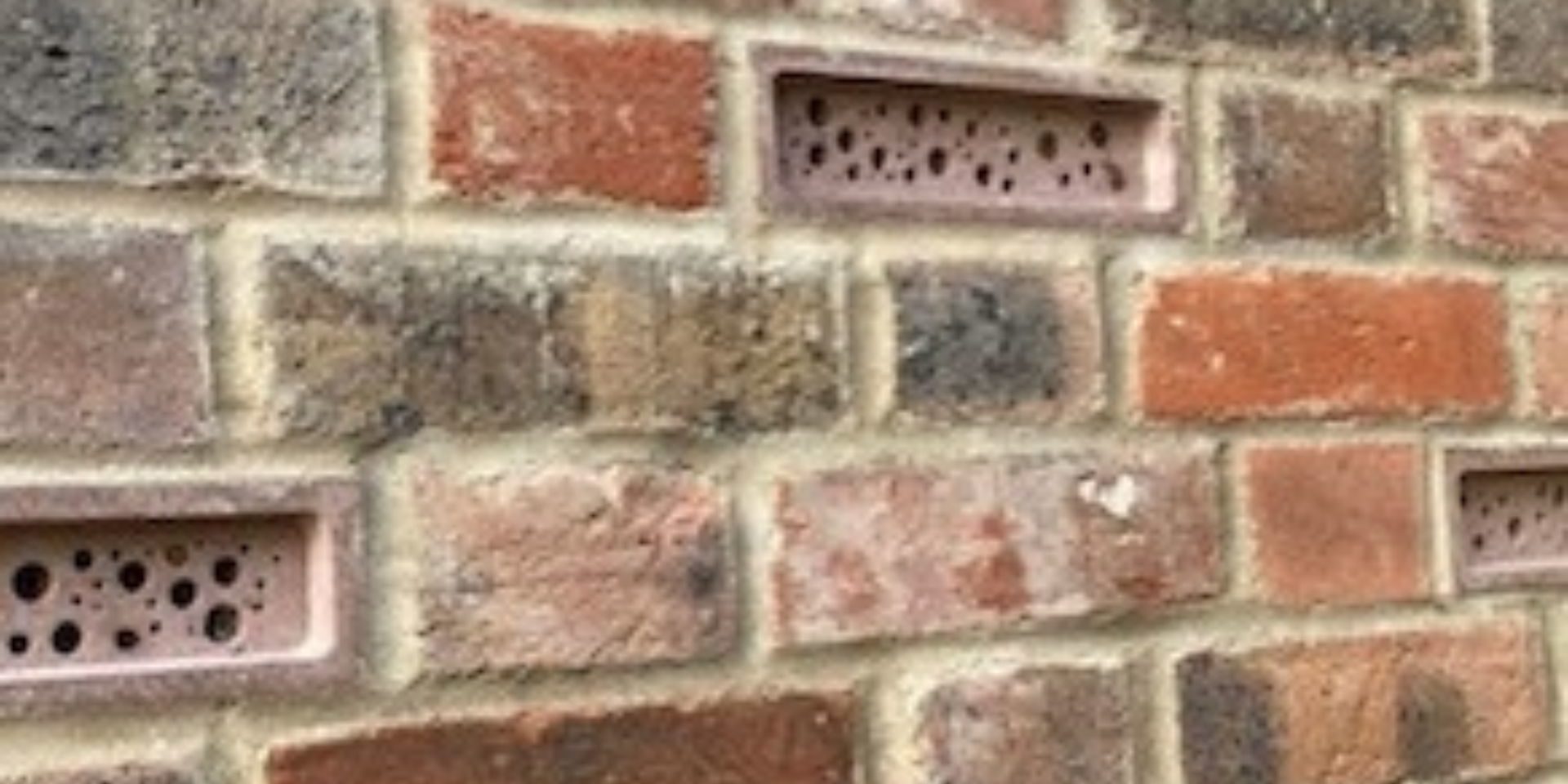
An innovative nesting site for solitary bees, created to look lovely just stood in your garden, the Bee Brick can also be used in place of a standard brick in construction, creating more habitat for non-swarming solitary bees.
Bee bricks are the same size as regular bricks but integrate a series of narrow openings to provide nests for solitary bees for nesting. The bricks are made using up to 75% recycled material from the Cornish China clay industry.
Bee bricks have created a buzz among scientists as to whether incorporating them in new homes will protect the bee population. Some local councils have introduced planning conditions designed to reduce the loss of wildlife habitats, and are encouraging the use of bee bricks in new developments. We wait to see if these have had a positive effect on bee populations.
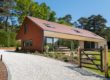
 It has been so nice to see that Bee Bricks have been used in one of our recent projects, The Old Forge has been designed by Kathy Basheva. of Studio Basheva.
What else have CLPM done to help the environment and wildlife!
Charlie Laing and Tony Duffin of CLPM are both keen beekeepers, and have given us some fun facts.
- It takes 3-5 months for bees to create a hive from scratch 🐝
- A bee produces less than a teaspoon of honey in her lifetime 🐝
- Bees see a colour which humans can not see. It is a blend of a yellow colour and ultraviolet. Scientists call it bees purple! 🐝
 Here are Charlie and Tony attending to their bees.
 Our project management team have worked on the development of a swimming pond in Wiltshire aiming to encourage biodiversity, and a living roof in a local home renovation. Meet our team.
 Alistair, our project manager for London recently saved a family of newts from a demolition site. They were rehomed locally in a neighbouring garden pond.
Get in Touch
Are you planning a construction project but are concerned about the effect on the local wildlife? If so we’d love to try and help. CLPM work on a variety of projects and have come across many different scenarios. Our team are advocates for sustainable building, and would be delighted to help you care for the environment during your build.
To find out more call 01923 896550, email info@cl-pm.com or complete a contact form.