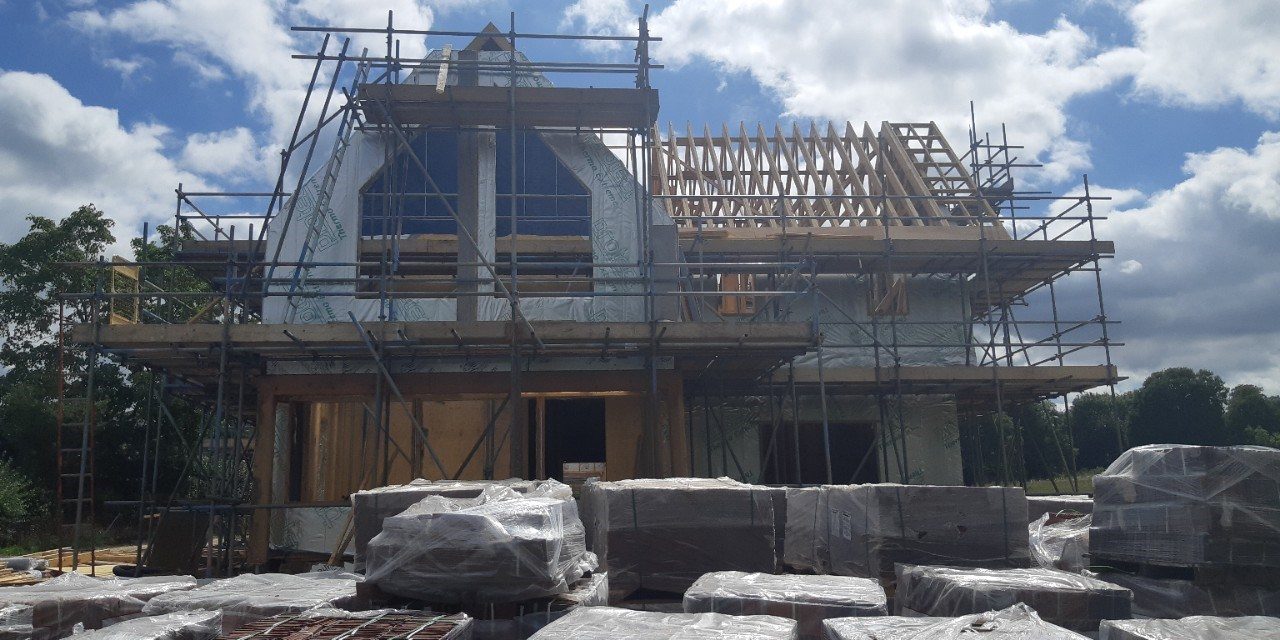
How To Choose The Right Builder
To choose the right builder you need to know how to avoid the ‘cowboys’ and, although regulations have improved, public experience hasn’t!
Unfortunately more often than not something negative like “dodgy” or “cowboy” are words used when someone has had a bad experience with a builder.
We get quite a few calls from clients who have had problems with their build teams. That was the view in 2014 – is that still the case? Well, in some cases yes!
Its tough to find a builder!
The vast majority of builders are professional tradesmen. We know as with any business anyone doing consistently poor quality building work tends not to survive. So why is there a negative view about builders?
Well, this was the view of our original blog in 2014, but today that opinion has been transformed.
Back in 2014, research showed that where projects are not independently project managed, 95% of people overspend in their builds and 80% of builds are delivered late. Perhaps this kind of experience contributes to why home owners are so concerned about finding the right builder.
Today, builders and contractors are extremely professional. With a shortage in labour the trades are sought after and take extreme pride in their work. The same checks still apply, and if a builder is readily available and not booked up in advance – you need to ask why?
One of the biggest challenges for your building project is finding the right builder. You want someone you can work with, trust and who is going to ensure you get a quality build.
CLPM is an independent project management company. We are not linked to any particular builder. Also we have worked with a wide variety of different local building companies over the years. We work with the right one for you!
So how do you find a builder? Here are our top tips for finding and keeping that vital relationship between yourself and builder harmonious.
Finding a good builder.
-
Plan your build – once you have your building control drawings you will most likely start looking for a builder. Before you start this process check your drawings. Do they have all the information that a builder will need. Eg an electrical layouts for your lights and plug sockets? If they don’t, consider working with an independent project manager to get advice and make sure that you are clear about what you want.
-
Detail, detail, detail. The more detail about everything you have the better. At CLPM we work with clients at this stage in our pre construction services. This can provide a detailed description of each room. What is to be done, by whom and how it is to be left in its finished state.
-
Research. Don’t leave your budget to chance. Do some research into costly items like kitchens, bathrooms, windows and doors. Understand how much things will cost so that you can compare this with the builders quote for the same items. The CLPM Quantity Surveying team can help pull together accurate estimates of the works. We can then go out to tender so you can get the best deal.
-
Get a Building Contract. Avoid most of the building project pitfalls by ensuring that you have a building contract in place. This is a must and one of our key pieces of advice. Many clients we have spoked to who have a bad view of a builder, have not had a contract in place. Get a copy of a nationally recognised contract – we typically use JCT. Familiarise yourself with it and use it as the basis for employing your builder. Be very wary of any builder who is unwilling to work under contract.
CLPM always advise that you use a building contract. If you need one, contact us and we can point you in the right direction.
Finding a good builder – next steps…
Recommendation…
with caution! You can’t beat recommendation so talk to friends, family and neighbours about work that they have had completed. However, remember that no two jobs are alike and your building project may be very different from work that other people are talking to you about.
Ask lots of questions
did the builder seem manage the delivery of materials needed for site efficiently? If they times when they couldn’t work why was that? If you could change one thing about what they did in the build, what would it be? These types of questions will help you get a feel the traits your builder has therefore alert you to what you may need to monitor closely during your build.
If you can’t find someone you know well to recommend a builder, keep an eye out in your neighbourhood and monitor other builds similar to yours. Once these are nearing completion, knock on the door and ask the homeowner what their experience has been like. Again, a word of caution…wait until the build is finished on nearly finished. Most of the problems seem to come at the end – how well something is finished is the real test of a good builder.
Local searches on the internet
a common place people to look. If you end up using this route to find your builder, make sure that you take up at least two references and don’t just phone people that the builder recommends to you, go and see them, look at the work and find out what, if any problems there were.
Choosing a good builder…
Most likely you will have gone out to three of four different builders to get pricing. Your decision should be made not just on their price but on their ability to provide you with the following.
-
Independent verification of who they are and the quality of their work – see if they are registered with the Federation of Master Builders or the Office of Fair Trading
-
References as per above
-
Copies of their insurance cover so that you will know what happens if the job goes wrong, the builder has an accident and cannot work, A written quotation on company headed paper – this should be used in conjunction with the building contract.
-
You need to know if the quote is inclusive or exclusive of VAT. The quote should also be split to show the breakdown between materials and labour.
-
A Payment Schedule – again this should be part of the building contract and should clearly state who pays what, when. You also need clarity on who is responsible to buy materials, their storage and security and who has to pay for them if they are damaged or stolen from site.
-
A firm start and finish date – use the contract to establish reasonable penalties for a late finish.
-
Agreed retention figure – this is the percentage of money that you will hold back until the job is completely finished and you have all of the relevant certificates. Get this figure agreed in writing – aim for 10% (between 5% – 10% is common practice).
Working with a good builder…
Once your build starts, remember to always get any variations to the job (be they changes you are requesting or those that from a practical build point of view have to be done) agreed and in writing.
A lot of work has to go into choosing the right builder – it is worthwhile considering the services of someone independent to manage the job for you. Their fees will cover all of the activities above that you would otherwise have to do yourself.
Additionally, employing an independent building project manager from a professional company such as CLPM means that any issues or potential confrontation will not have to be dealt with by you. This should allow the relationship that you have with the people working in your home to remain good. Even if your building project manager is seen as “the bad guy”.

Why CLPM?
Here at CLPM we have a team of experienced construction project managers and Quantity Surveyors. We can work with you to pull together all of the relevant details about your project. Then we will organise the tender process, analyse the returns and help you choose the most appropriate build team for your project. CLPM’s cost team are 100% independent of builders and suppliers. We do not take commission and so the returns will always be the lowest they can be. At CLPM we are always working with your best interests at heart.
Appointing a construction cost expert like CLPM may seem to add an additional cost to your project. However, remember it is more likely that you will save our tender fees several times over by getting more accurate, competitive tender returns. Then you can avoid the often ‘unforeseen’ additional variation costs at the construction phase.
Contact Us
If you’d want to know more about how CLPM. Or how we can help you to get the lowest builders quotes for your building project then please get in touch.
Simply call 01923 896550, email info@cl-pm.com or complete a contact form.