
CLPM were appointed to provide Heating and Energy Efficiency advice.

THE PROJECT
The CLPM Heating and Energy team were asked to provide Heating Efficiency Advice for a Church.
The client contacted CLPM requesting a survey and report. They had ageing gas boilers that heat both a Church and a Parish Hall. They wanted us to assess their future needs. Establish their options to become carbon neutral and heat the premises more effectively.
Our consultants were delighted to help and provide advice. They planned to visit the site and carry our a survey and suggested improvements were then documented in a written report.
THE CHALLENGE
The Original Building
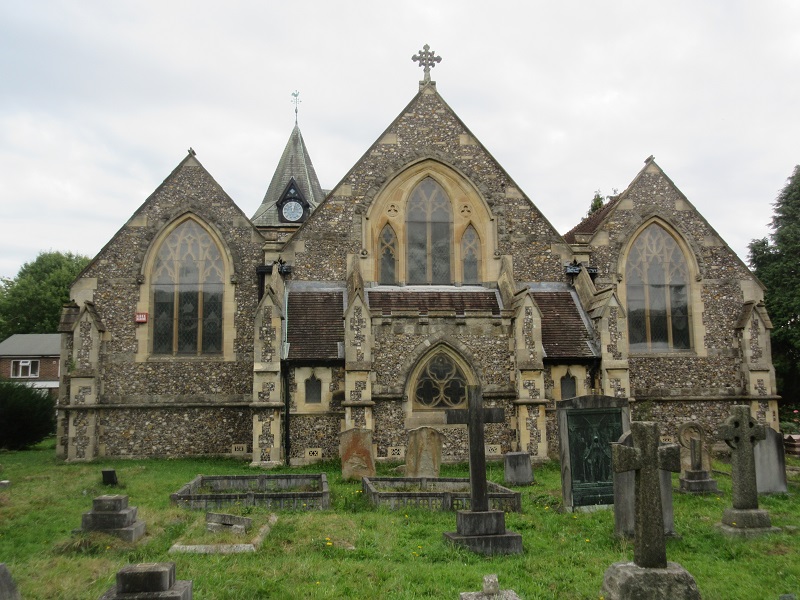
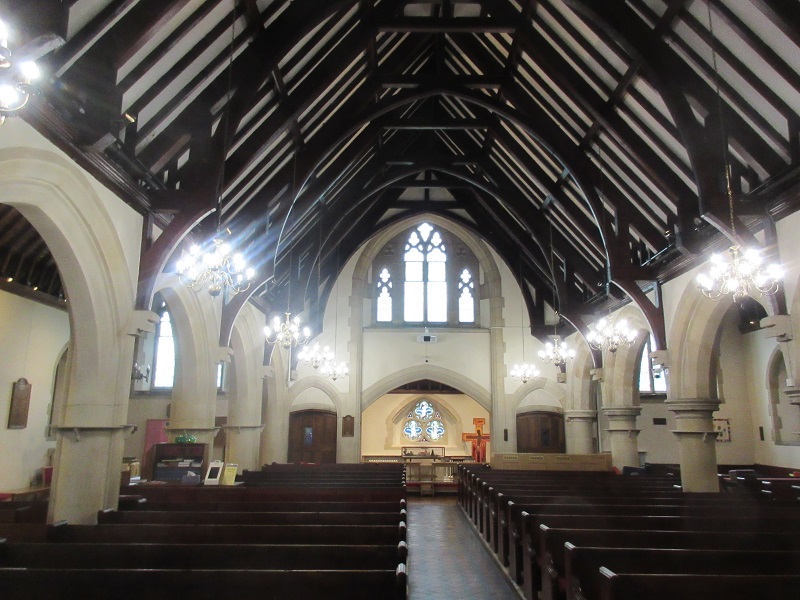
The Church had originally been constructed in the 1800s with two extensions added. The most recent being in the 1920s. It was built in a traditional style with solid floors, solid stone walls, metal framed, single glazed ornate windows and a quite high, cathedral style roof.
No insulation had been installed at the time of construction and none, thus far, has been retrofitted.
Clear plexiglass panels have been installed over the exterior of the windows but for protection against forces other than nature rather than for thermal efficiency.
Old Inefficient Equipment
Internally a combination of traditional, cast-iron radiators and fin style skirting heating had been installed. However, due to the cavernous nature of the building, not much, if any, heat was reaching the congregation. The radiators are fitted with manual valves therefore the only way of controlling the temperature for the whole of the building is via a single room thermostat.
The lighting types within the Church are a variation of LED, incandescent and halogen.
By contrast, the Parish Hall had been constructed in the 1960s. It again had solid floors but with a combination of timber framed and clad walls. There were also some solid brick walls and metal panel walls with single glazed, wooden framed windows. Along with solid timber or single glazed, timber framed doors.
No Insulation
As with the Church no insulation had been installed at the time of construction. The pitched roof above the function hall had insulation retrofitted when the roof was recently renewed. Some of the windows, doors and metal panels had been upgraded with uPVC, double glazed units.
This building is heated by more modern, panel radiators. Again fitted with mainly manual valves, with a few thermostatic valves scattered about. So, once more the only way of controlling the temperature for the majority of the building was via a single room thermostat with the office having its own thermostat.
As with the Church, the lighting types are a variation of LED, incandescent and halogen.
The possibility of a solar panel array has been investigated but the suggestion from the prospective installer had been to install the panels on the ageing, fragile Church roof.
The heat source for both buildings is a pair of older gas boilers. There is a basic time control for each of the heating zones.
Unfortunately, the technology doesn’t currently exist to heat the buildings via heat pumps however as time progresses and the technology evolves that may be an option in the future.
Amongst other things we recommended that solar panels be installed but on the Parish Hall roof and not the Church roof. As there is three phase electricity installed on site a larger array could be installed with battery storage.
THE SOLUTION
The CLPM team were able to help provide the required Heating Efficiency Advice for our clients.
Having carried out the site survey, which includes a health check of the current systems, and an inspection of the fabric of the building, these are some other options that were discussed on site.
- Where applicable, upgrade all the lighting throughout both the Church and the Parish Hall building to LED.
- Install secondary glazing throughout the Church.
- Where applicable, replace the existing single glazed windows and external doors with double glazed versions throughout the Parish Hall building.
- Carry out the wall and roof insulation upgrades throughout the Parish Hall building.
- Install heavy duty, thermally efficient curtains throughout the Parish Hall building.
- Power-flush the entire heating system throughout both buildings.
- Replace the existing boilers with modern, condensing models.
- Install ‘smart’ heating system controls.
- Fit thermostatic valves on radiators that do not already have them.
- Fit a magnetic filter to the heating system.
- Install insulation on the heating system pipework wherever possible.
- Install low profile wet system underfloor heating on top of the existing floor in the accessible areas between furniture in the Church.
Carrying out these sort of measures is not a cheap option so understandably, especially within the current financial climate, they should be planned carefully. These can be planned in stages and carried out over a number of years.
THE RESULT
The clients now have some suggestions to consider. Our consultant has prioritised which ones will have the greater impact. This will enable the clients to decide what to implement first.
CLPM can offer additional services to help plan, price, produce a schedule of works to help clients with the next steps.
The team can offer a cost planning service. With this we can offer suggestions of companies we have used before and trust.
We can produce a schedule of works which can then be given to the desired contractor for implementation.
Finally, if needed, we can oversee the works until completion. This way we can ensure our clients are fully versed in the new equipment, and are happy that the changes made will meet their needs.
We hope you have found this blog ‘Heating Efficiency Advice for a Church’ useful.
Heating Efficiency Advice for a Church
These points can only be determined via a site survey and investigations undertaken by our consultants checking each element within the building.
Suggestions are based on having been to the property and noted all the surrounding circumstances. This is not a one suggestion fits all scenarios, and we can’t stress enough how each property is different.