Snow and Insulation.
Do you have a snow covered roof? In this blog we will outline the relationship between snow and insulation, and share tips on how you can check that your property is properly insulated.
When we see the first snowfall of winter, depending on who we are we have a mix of emotions of what snow and insulation mean for us.
- Doesn’t it look pretty
- It feels like Christmas
- Will we get the day off school
- Oh no, travel is all disrupted
- I can’t get to work
- Is my home insulated enough?
It might look pretty, but what does the snow say about your property?
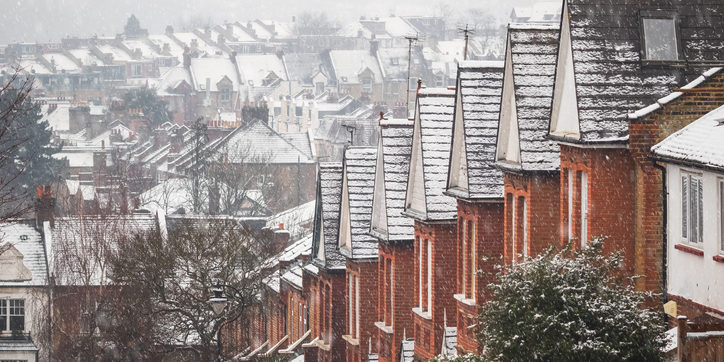
Have a look down your street, some properties will be thick with snow, while others will have seen it all melt. Snow and insulation go hand in hand.
CLPM’s Heating and Energy consultant Rob Bohm has explained that if your roof is covered in snow, your insulation is doing a good job. It also means that your home has an extra layer of insulation against cold outside temperatures.
A little snow is a good thing
❄️👍
Homeowners often get worried when they see a snow covered roof. But it is a good thing! If the snow isn’t melting quickly, it means that heat from your home isn’t escaping through your attic or loft.
Snow can be a great insulator because it is comprised of 90-95% air. So it is better to leave it during the cold days than try to remove it.
A light layer of snow can offer some insulation to your home. Which in turn, can lower your heating bill a bit. Allowing some snow to remain on your roof will protect your home a little from the sub-zero temperatures we are currently experiencing.
Fortunately, in the UK we do not experience significant snowfall too often. If snow was to build up and accumulate, the weight might become a problem. Homeowners in this instance and in particular in colder countries would need to remove snow if the depth became too great.
Snow can indicate poor insulation
❄️👎
If the snow on your roof is melting faster than your neighbours, it could be a sign of poor insulation. You are probably losing heat through your roof.
A light dusting of a snow covered roof can tell you a lot about the energy efficiency of your home. Fast melting snow on the roof can be a symptom of inadequate insulation or poor air tightness.
A well-insulated loft or roof will have a nice coating of snow that will last all day. Whereas a poorly insulated roof may have no snow at all and look wet.
Heat Loss
Around a quarter of a home’s heat is lost through poorly insulated roof spaces. So it’s worth checking your loft insulation as you could improve your energy efficiency and save yourself money in the long run.
Having efficient home insulation is one way to keep your gas consumption down as well. There are lots of ways to insulate, including:
- Roof and loft insulation
- Cavity wall insulation
- Draught-proofing
- Solid wall insulation
- Floor insulation
But insulation is a big investment and you want to be sure it is going to save you money. Our team can survey your property to advise you on what is needed.
Homes that could be better insulated will be colder and there are a few specific ways you can tell if poor insulation is to blame.
Rob has suggested some key points to check on:
❄️👍 ❄️👍 ❄️
❄️Draughts and cold areas
Cold draughts coming in from the outdoors are a sign your home needs better draught-proofing. This could be due to poorly installed windows. Underfloor insulation or new external doors, or letterboxes can also prove problematic. If this is the case you might feel a light breeze through your room.
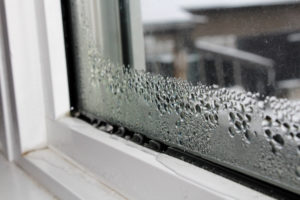
Thick thermal curtains, blinds and fabric draught excluders in front of doors are an immediate way to prevent draughts. As is covering your windows with a film, bubble wrap or foil.
❄️Fluctuating temperatures and cold rooms
If you notice the house getting immediately colder whenever the heating is off or on low, this means heat is escaping quickly. Insulation conserves hot air within your home, so if your home’s temperature drops quickly, this is a clear sign it’s badly insulated. If certain rooms are colder than others then they could also benefit from improved insulation.
There are different ways to achieve this and our consultants can offer advice bespoke to you.

❄️Cold Interior walls
If your walls feel noticeably cold when you touch them it is a sign you require an improvement to your wall insulation. There are two types of wall insulation; cavity wall insulation and solid wall insulation. Homes built after around 1920 usually have wall cavities which can be packed with insulation, whereas older solid brick walls need to be insulated from the outside.
❄️Damp
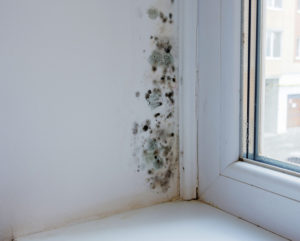
Moisture and damp are typically linked with poor insulation. Damp can be caused by the foundations of your home or poor ventilation, but it can also be due to moisture seeping in from the outdoors.
❄️Ice inside
Nowadays the UK does experience extreme periods of cold weather. So, we must look out for pipes freezing or ice forming inside your windows. This can be an indicator for poor insulation.
❄️Rooftop Snow and Ice
Finally, and going back to where we started. Rooftop snow and ice is a tell-tale sign that your roof is poorly insulated, and heat is escaping from your roof.
❄️Rising energy bills
If you do not have an energy efficient home, and your insulation needs improvement. You will be spending more that you need to on gas and electric. It today’s energy emergency it is more important to address these issues. The gov website also has some handy tips.
Find Out More 👍
We do hope we’ve given you some new ideas for how you can check to see if you need to improve your insulation. If you’d like to understand more about how our heating and sustainability experts can help you make the best decisions, we’d love to hear from you.
Simply call 01923 896550, email info@cl-pm.com or complete a contact form.